
Advocate Feature: Lawrence Stallworth III for HIV/AIDS Awareness
Since speaking publicly in local high schools about his HIV-positive status only a few months after his diagnosis at age seventeen, Lawrence Stallworth II has addressed college students, doctors, and legislators, the United Nations and the United States Conference on AIDS. Now—at twenty-three—he’s the youngest member of the Presidential Advisory Council on HIV/AIDS.

In previous posts, we’ve talked about the challenge advocates face maintaining focus and staying committed to their advocacy–especially when challenged by or up against strong counternarratives.
But it’s not only when you are challenged that it’s important to maintain focus; it’s just as important when you are successful in your advocacy, when you deliver a lot of presentations and give countless interviews. As the value of your story is recognized, you may be called upon to speak more frequently, and you may attain a measure of local or national recognition. You may even find that “advocate” becomes your main public persona, and you are a frequent subject of media attention.
Given the impressive response to Lawrence’s advocacy, we thought he’d have a good perspective on this. Here’s what he says about his advocacy journey: “How many people are in my shoes? How many 23-year olds get to say, ‘I’m advising the President of the United States of America?’ Had you told me six years ago that I would be the new face of young black people living with HIV and AIDS, I would have said you were crazy.”
“Before HIV, I had an idea of what I wanted to do: I knew I wanted to help people. But I didn’t know how I wanted to do that. HIV gave me that purpose. So now I’m giving audiences an example of how young people can overcome adversity every single day, especially LGBT young people.”
—Lawrence Stallworth II, HIV/AIDS awareness advocate
Still, Lawrence remains focused on his advocacy goal: “This is a great thing for me…but it’s also not about me. It’s about helping my community and people who are living with HIV and AIDS. I see it as another platform, one where I get to make recommendations that will affect people’s lives. Fate has a way of putting you where you need to be.”
If you are fortunate to achieve this level of interest, heed the advice of other sought-after advocates and spokespersons: always remember why you chose to speak out. Keep that reason at the core of your advocacy and the focus will stay where it should be: on the positive change and the difference you want to make. Enjoy the increasingly larger platforms and audiences that your story and your advocacy have gained.
We congratulate Lawrence on his powerful advocacy and for sharing his story with us, more of which you can read in Living Proof: Telling Your Story to Make a Difference.
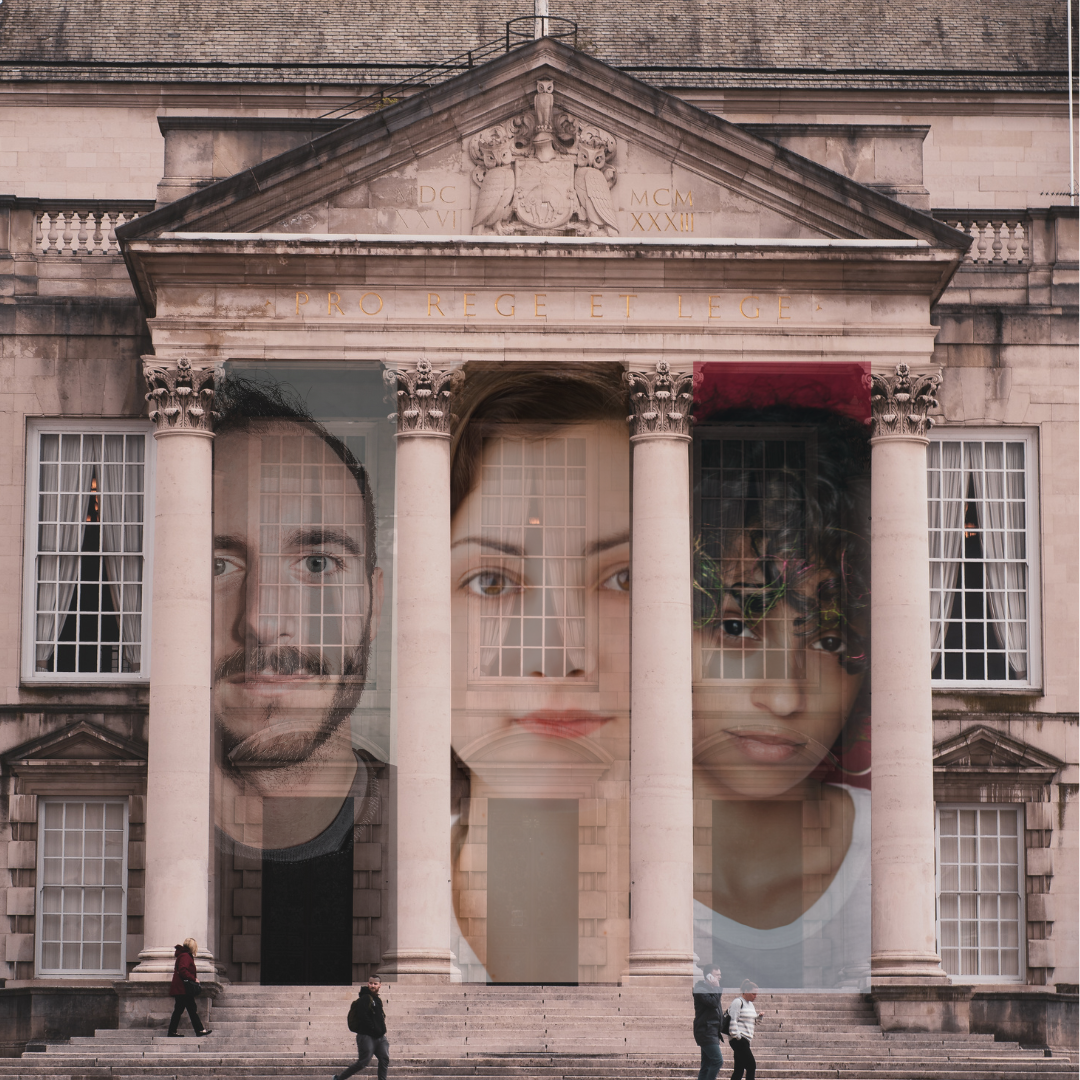
Policies are not fixed; they can be shaped—and reshaped—by the voices and lived experiences of the people they affect.

In a guest post, advocate Jim Kuhn shares why it is so important for members of the rare disease community to share their lived experiences.
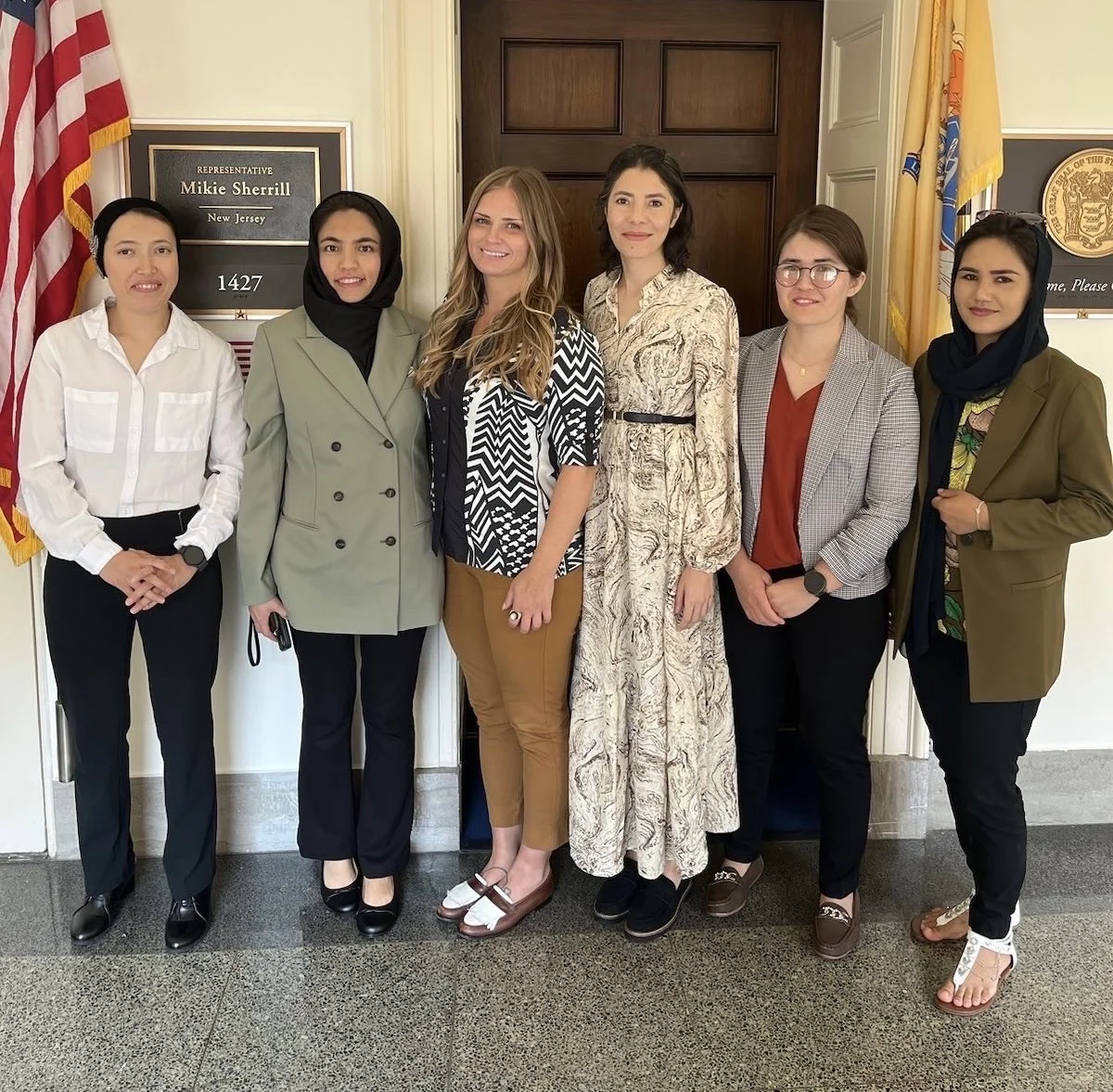
“Legislators often don't understand the context: these women are our military partners. They were recruited, trained, deployed and put in harm's way under our operational direction.”

The organization knew that Barry was valuable to them achieving their advocacy goals, because he had lived experience as a veteran—as well as a passion for the desert that spans more than five decades.

“I’ve found that one of the best ways to encourage people in making healthy choices is to understand the story they are telling themselves about their lives.”

“By shifting my focus from anger to persuasion, I began to see more people engaging with the issue. Conversations became more productive. Skeptics weren’t just pushed away or ignored; they were invited to understand.”
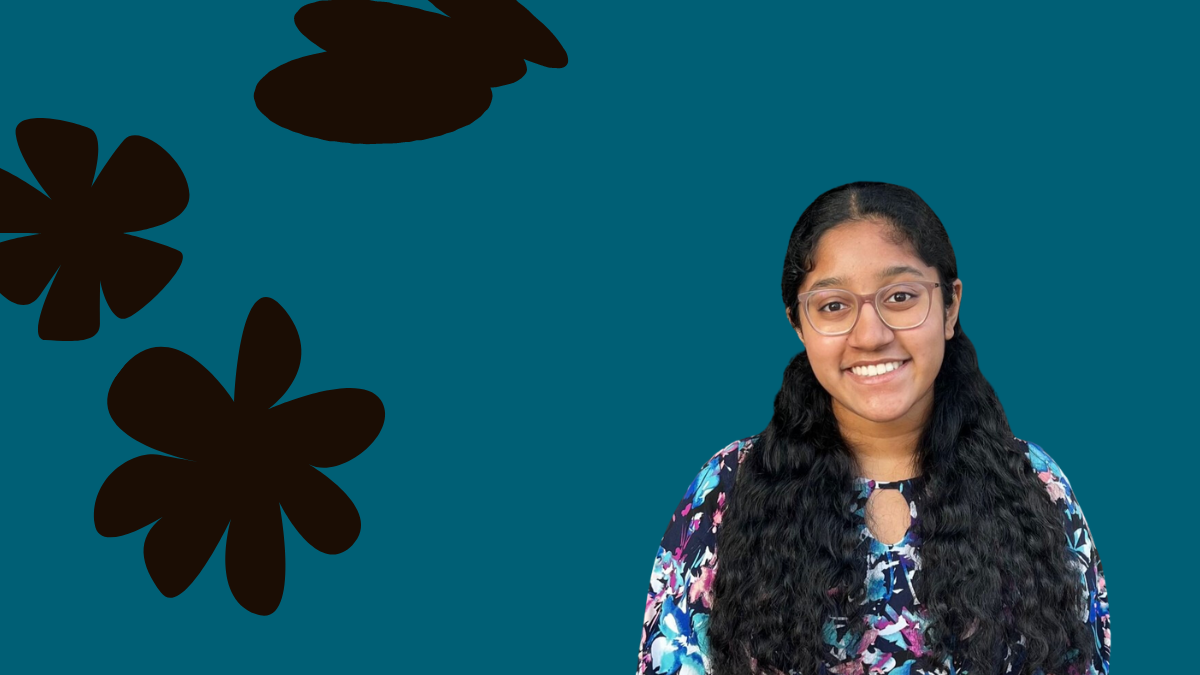
“Youth need to be at that table, sitting with executive leaders, emphasizing that we have a very different perspective and they can't be making decisions for us.”

Without taking the time to reflect and explore, I might have forgotten that memory and missed the connection it holds to one of my deep beliefs about the value of museums (or all encounters with art and artifact, for that matter).

What personal stories do we tell about our connection to the natural world?

“It was such a safe space LPA had created.”

“Five years ago, when at my lowest point, I discovered the true power of storytelling. It not only saved my life but has helped countless others.”
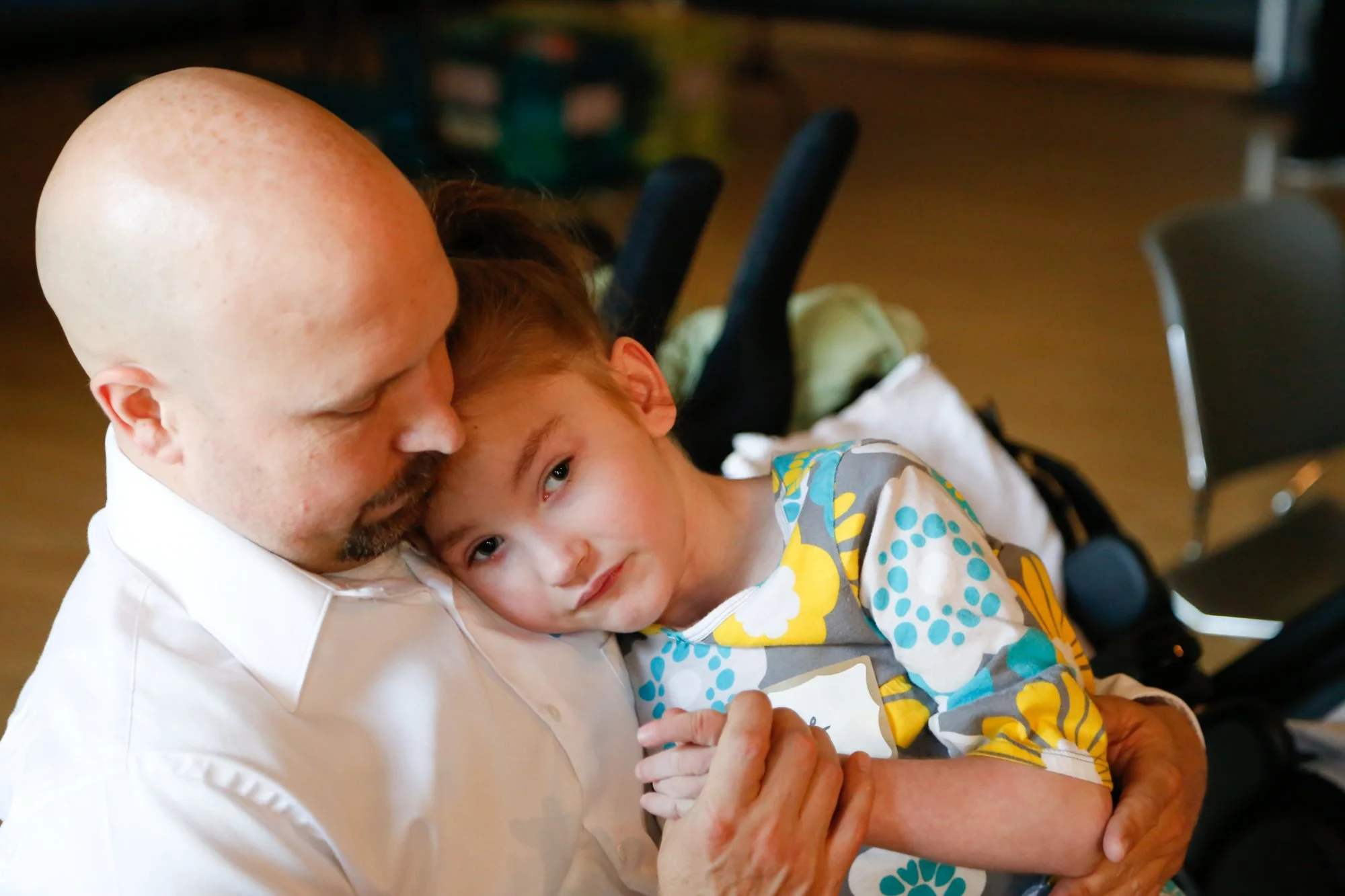
“Those amazing, rewarding and often heartbreaking experiences helped me realize my purpose.”

Compared to the more serious health conditions or life circumstances that many advocates are managing, will my advocacy be viewed as overblown or overwrought?

“I’m speaking out because I care about my community. We can no longer afford to ignore.”

Listening to it nonstop for more than a decade, even in the background of my consciousness, is exhausting. I want the noise to stop.
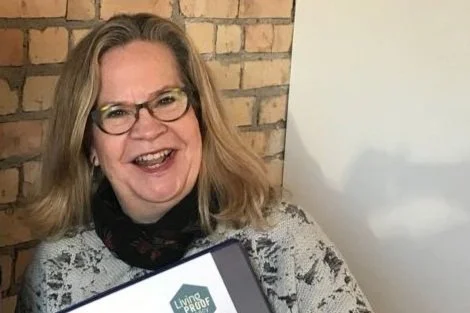
“The workshops helped us nurture a culture of transparency and trust.”
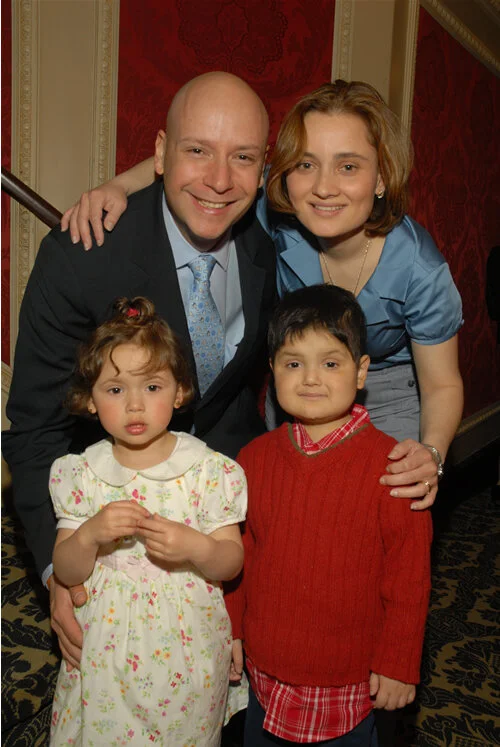
“I’ve learned how to move audiences from apathy to empathy to action.”
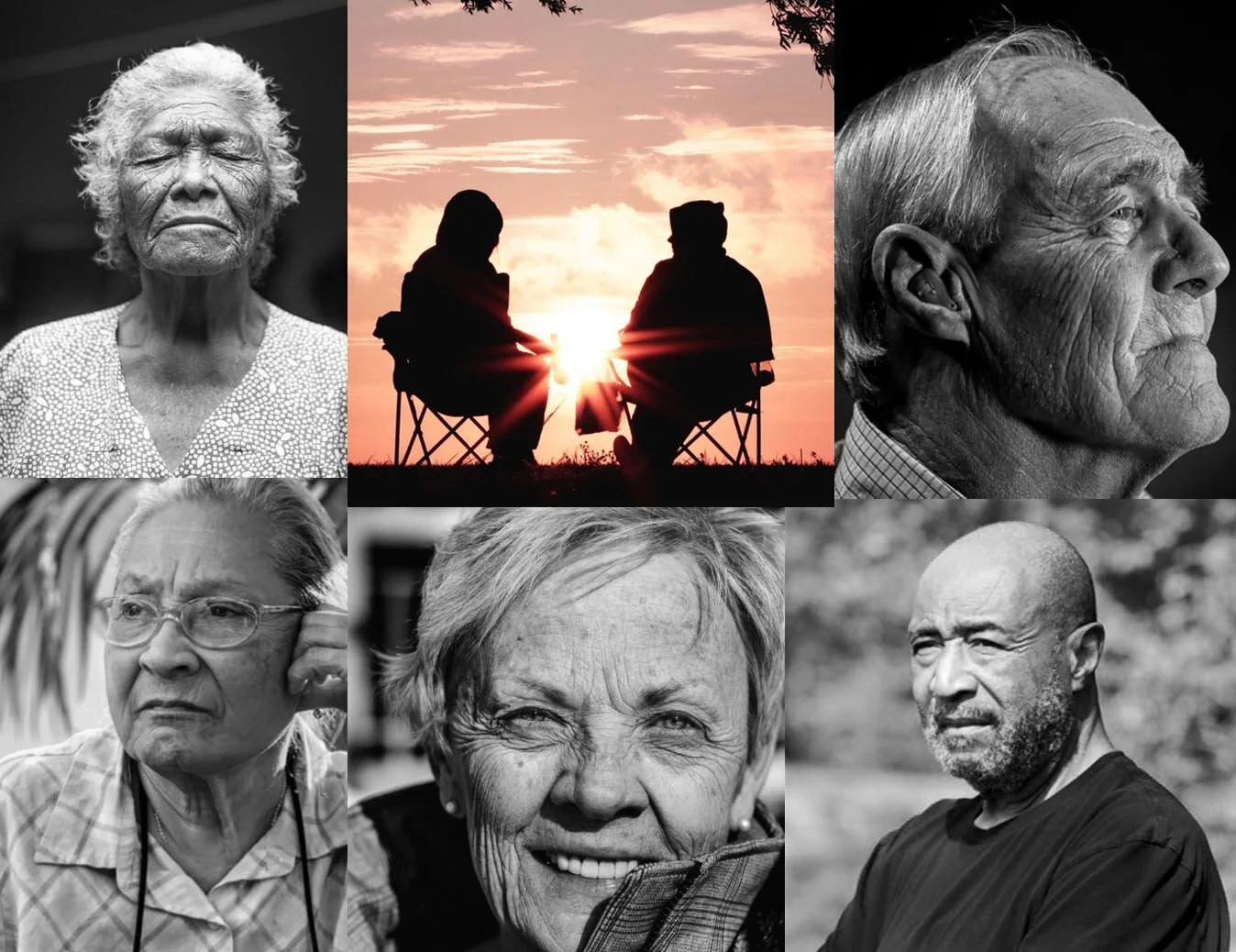
Redefining the meaning of “senior moment.”
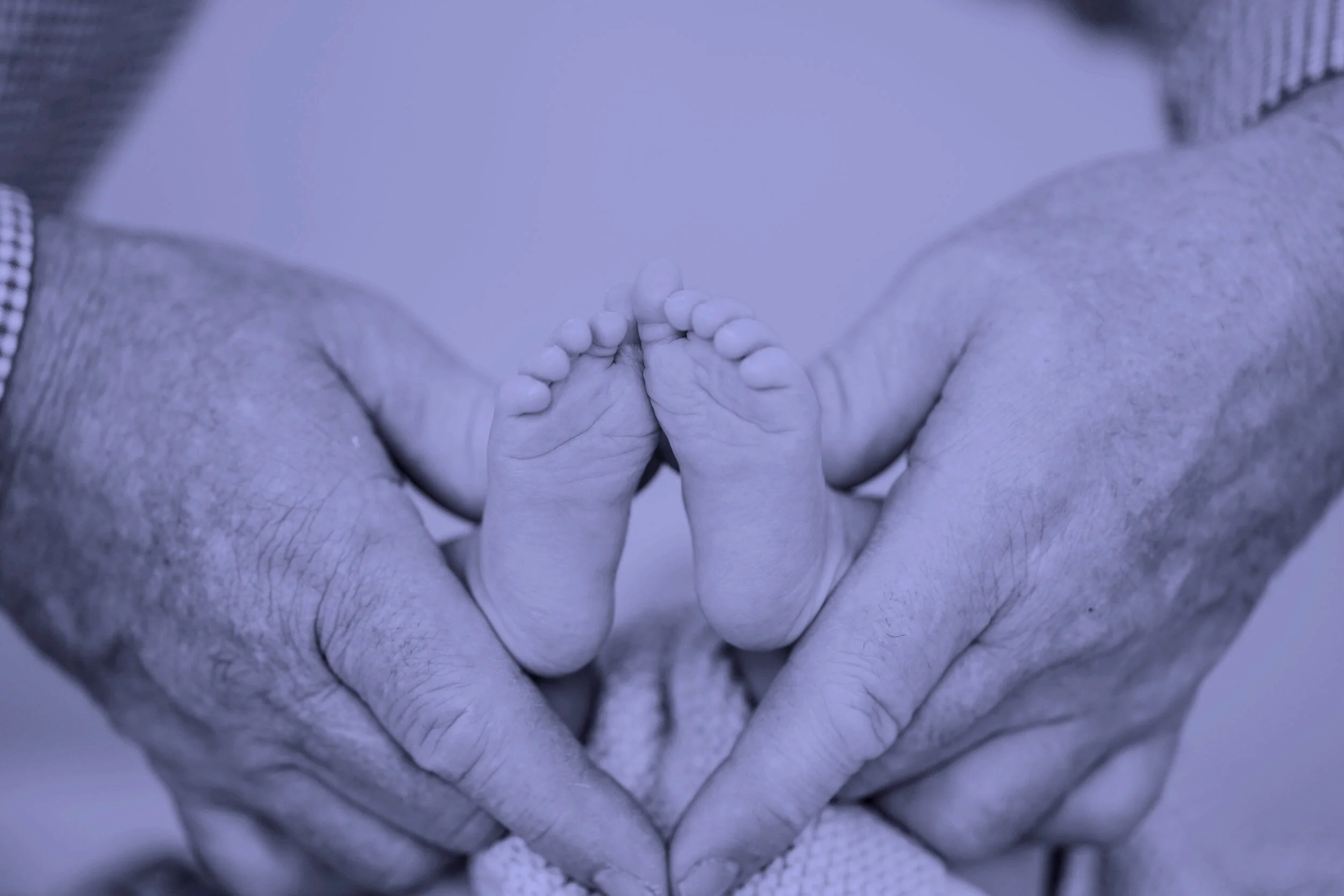
Every newborn is different. So is every birth. No one knows this better than midwives and doulas.

The rape-kit backlog is what drove Natasha to speak out back in the 90s—and she’s been telling her story and making a difference ever since.

Need proof of how healthy choices can impact your physical and mental wellbeing? Meet Marc Ramirez.

For whom or what will you advocate in 2020? How will you share your story?

No surprise: stories about advocates and organizations resonated deeply with our readers this year.

World AIDS Day reminds us that HIV has not gone away.

In the US, more than half a million individuals are homeless on a typical night.
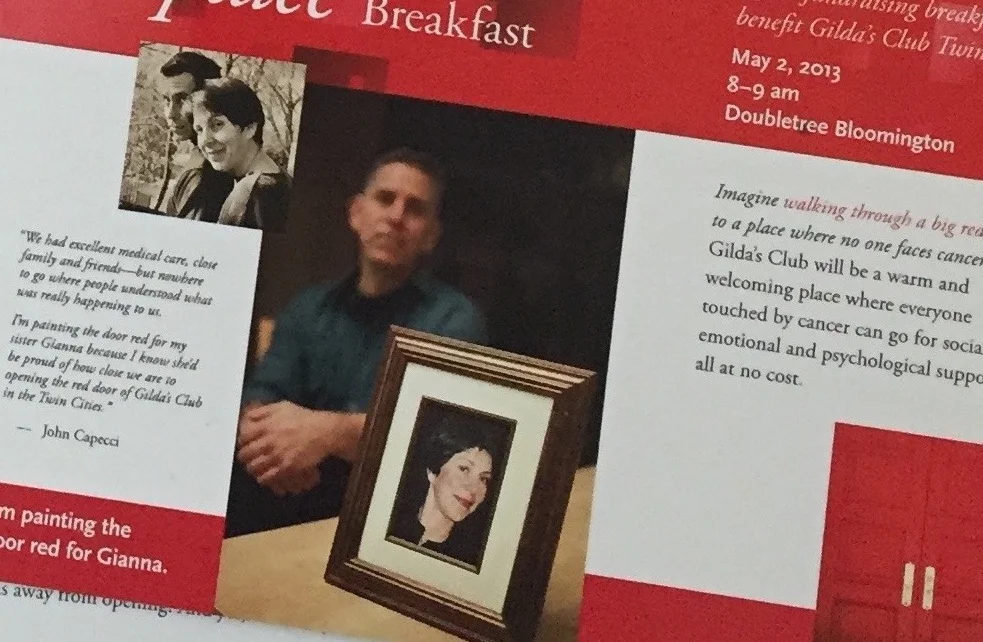
When is giving back also an act of self-care?

In 2006, Bill Butler was preparing for surgery to relieve chronic lower-back pain when he accidentally overdosed on methadone, the opioid his doctor had prescribed.

Shame is a powerful silencer. That’s why Mary sharing her story is so important.
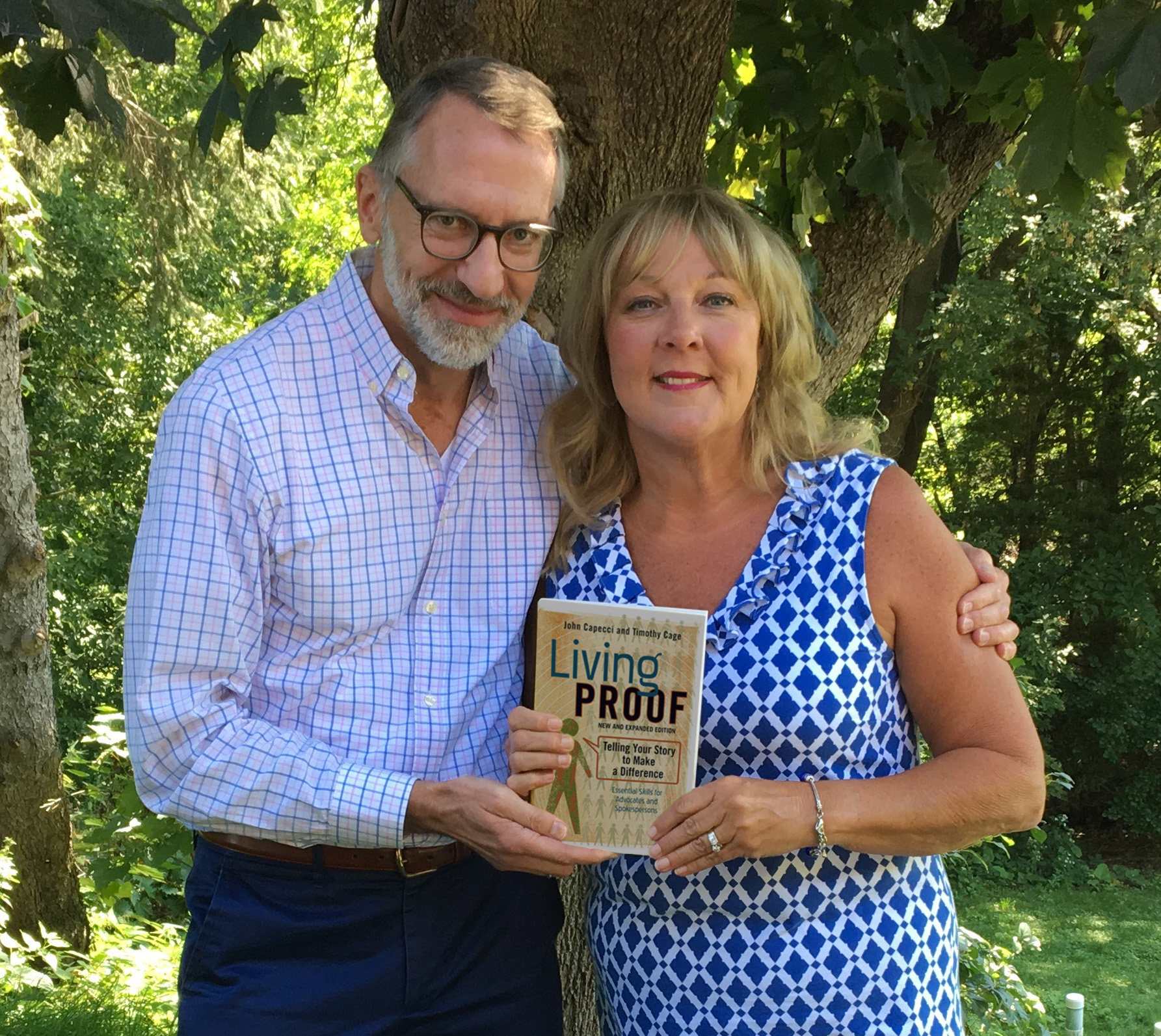
I love coincidences—especially those involving people moving in and out of our lives.
This series gives us an opportunity to check in with some of the advocates we talked to over the course of our book’s three editions and 14 years, get an update on their work and see where exactly their paths have taken them.