
Advocate Feature: Marc and Kim Ramirez for Plant-Based Diets
“Eat right, bite by bite.”
That’s the theme of this year’s National Nutrition Month,® an annual awareness campaign designed to remind us of the importance of making healthy choices when it comes to what we eat.
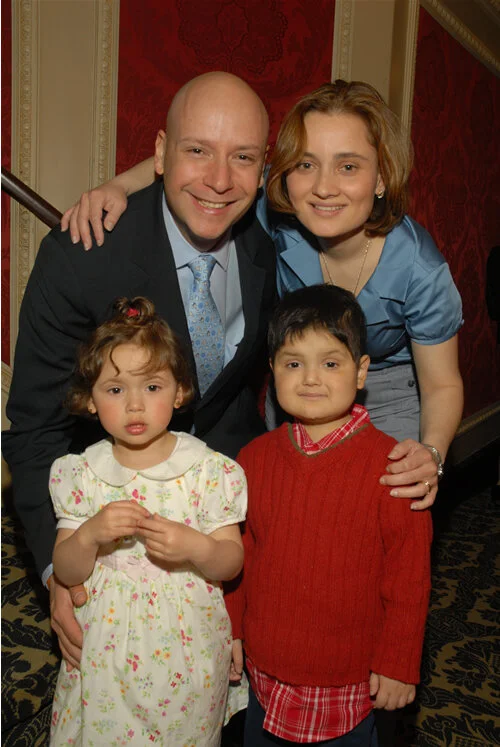
Need proof of how those healthy choices can impact your physical and mental wellbeing? Meet Marc Ramirez.
Marc is a former University of Michigan football player who, after his playing days were over, developed a host of health conditions. In 2002, he was diagnosed with Type 2 diabetes and by 2011, he was taking daily insulin shots as well as four medications to combat diabetes, high blood pressure and high cholesterol.


As Marc recalls, he was resigned to his fate. “Cancer, as well as heart disease, has devastated my family,” says Marc. “Plus, I come from a long line of diabetics. I grew up believing that because I was Mexican and because diabetes ran throughout my entire family, I had no choice but to have a life full of illnesses.”
But in 2011, Marc and his wife Kim—who’ve been together since college—watched Forks Over Knives, a documentary that explores how changing from animal- to plant-based diets people can control and even eliminate diseases such as cancer and diabetes.
“That documentary changed our lives,” Kim says. “From that point on, we adopted a plant-based diet and now, almost nine years later, it’s improved our lives more than we ever expected.”
How much have their lives improved? Within just two months, Marc was off all five of the medications he had been taking. He shed 50 pounds. Kim, who had been experiencing monthly debilitating headaches, found that they stopped.

What’s more, Marc’s self-image completely changed from someone defined by illness to someone who is thriving. “I found out very quickly that if we fuel our bodies with the right foods, we really have a lot more control over our health,” he says.

Now Marc and Kim are sharing their stories and advocating for plant-based diets via their nonprofit, Chickpea and Bean. Through their website and live events, Marc provides the living proof of their message: to not let your genes determine your fate. “If I can give someone one piece of advice,” Marc says, “it’s this: Never underestimate the body’s ability to heal itself. All we have to do is feed it the right foods.”
Learn more about Marc and Kim here.
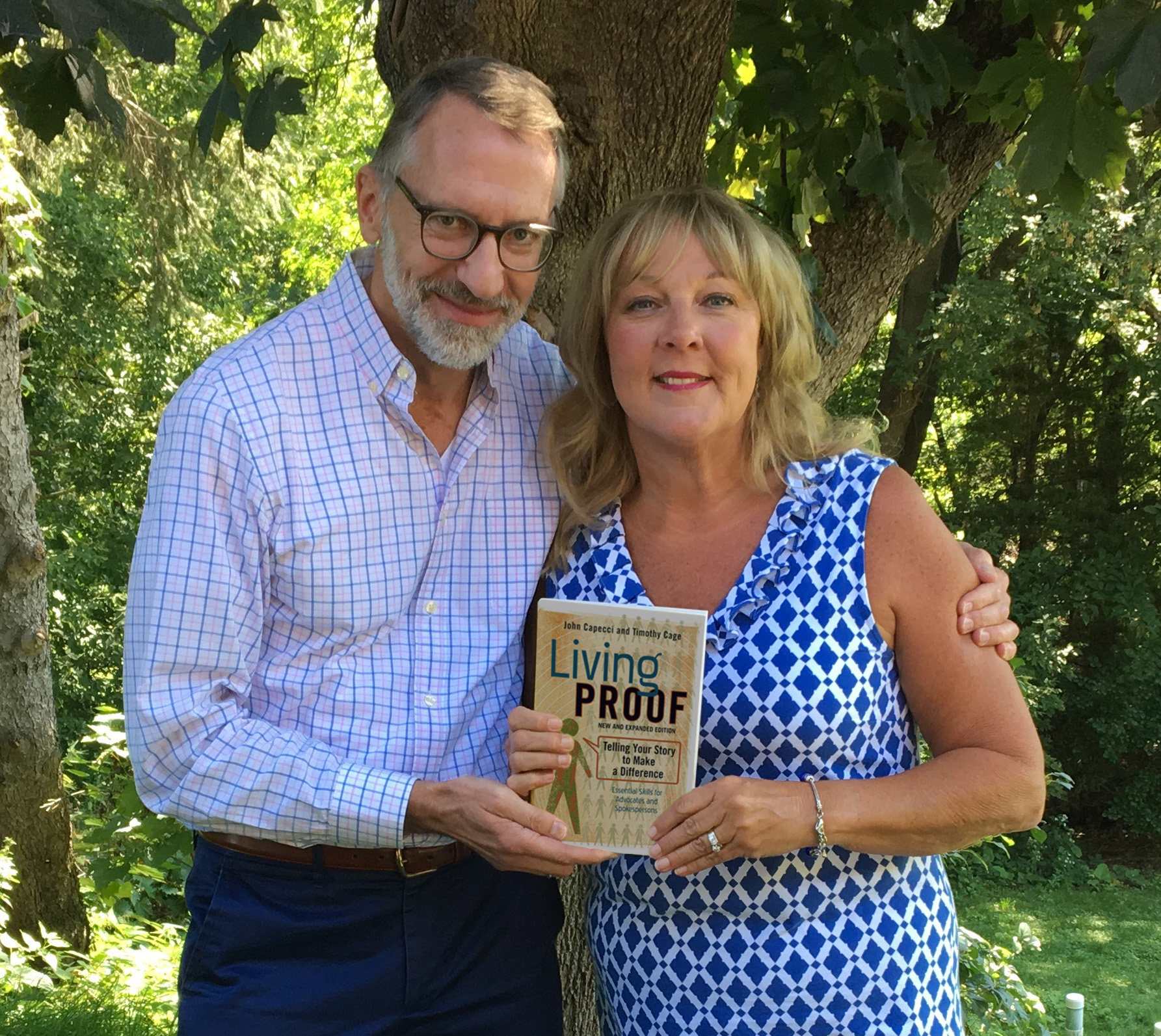
Read how Marc uses smart storytelling and effective advocacy in the latest edition of Living Proof: Telling Your Story to Make a Difference.
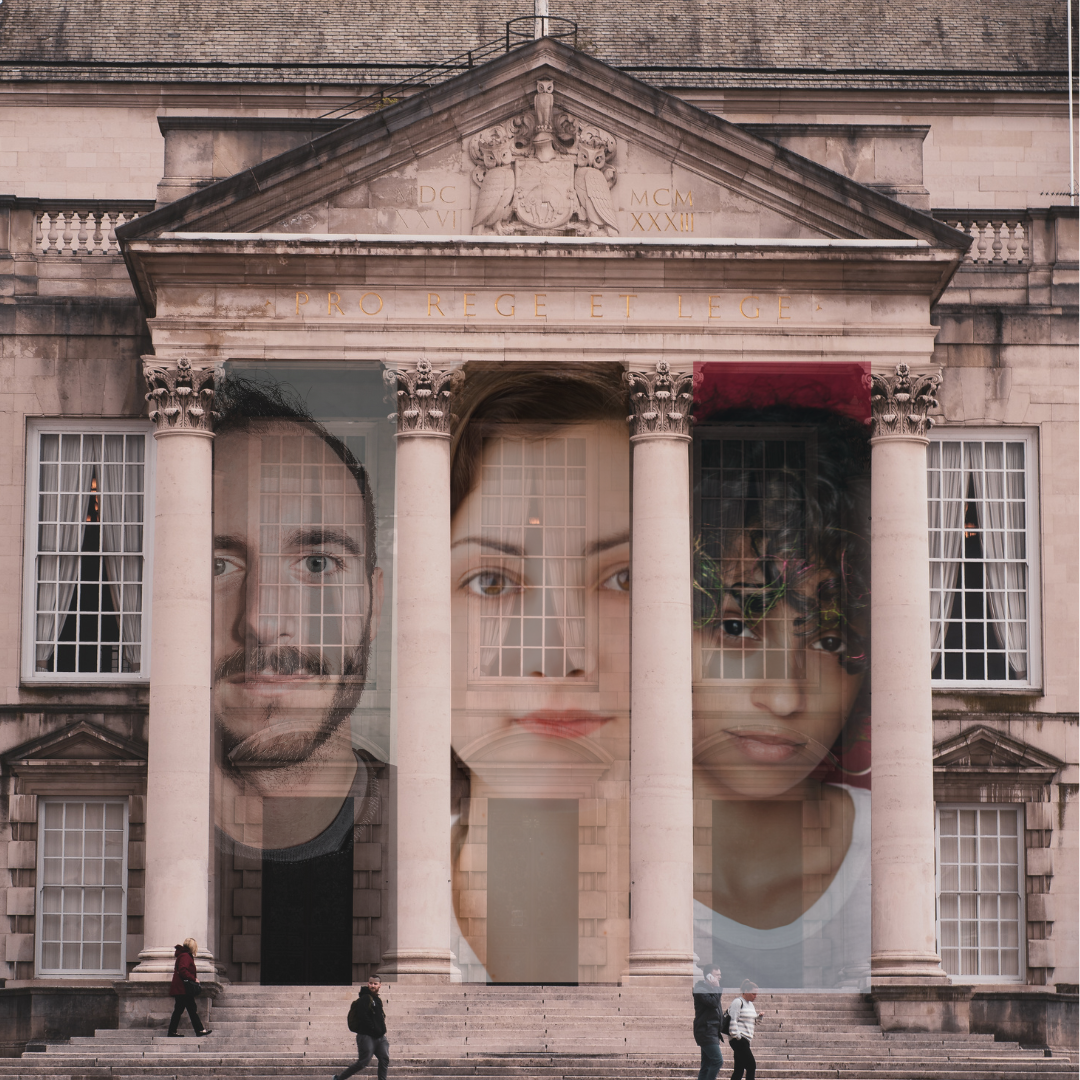
Policies are not fixed; they can be shaped—and reshaped—by the voices and lived experiences of the people they affect.

In a guest post, advocate Jim Kuhn shares why it is so important for members of the rare disease community to share their lived experiences.
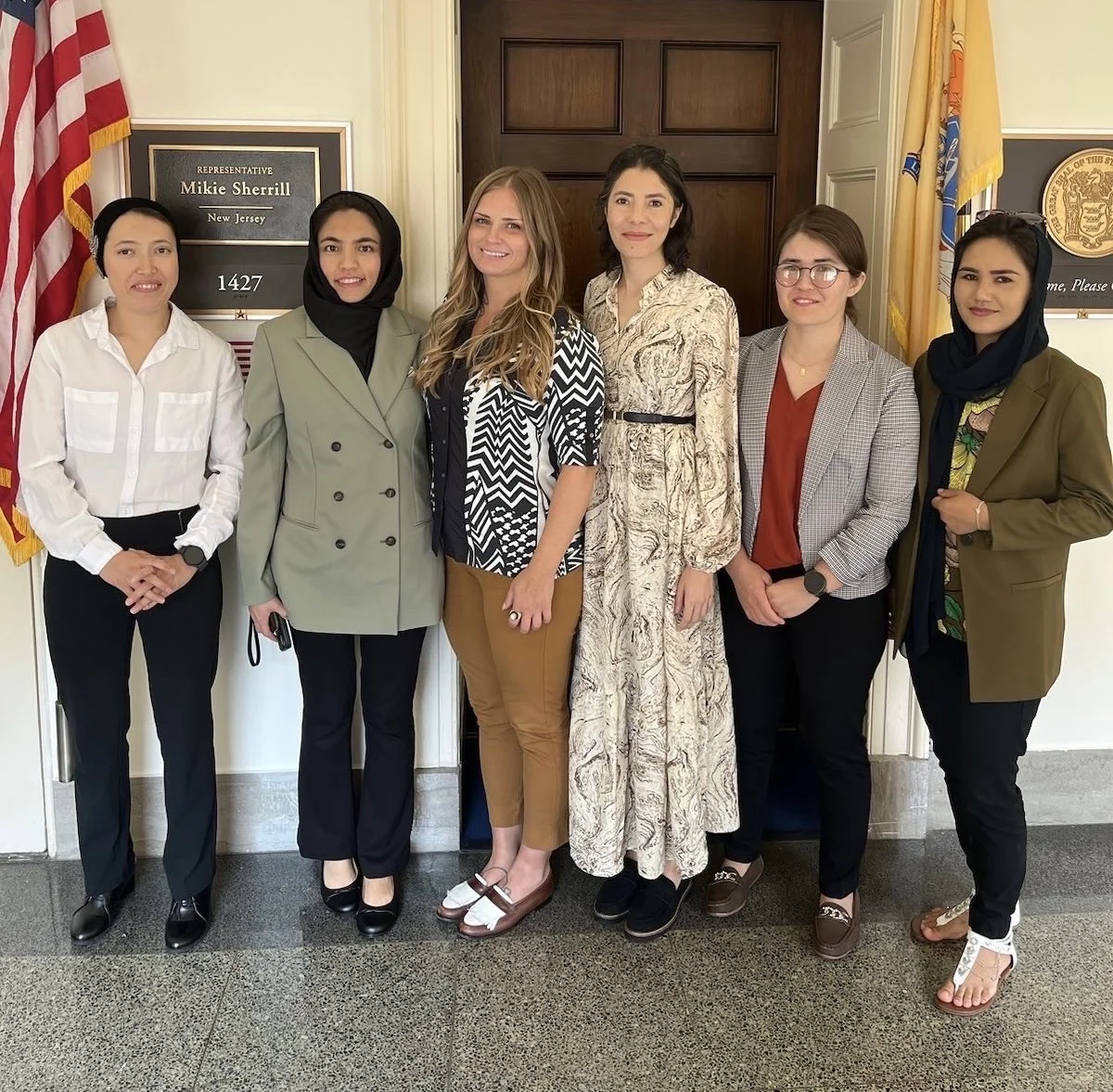
“Legislators often don't understand the context: these women are our military partners. They were recruited, trained, deployed and put in harm's way under our operational direction.”

The organization knew that Barry was valuable to them achieving their advocacy goals, because he had lived experience as a veteran—as well as a passion for the desert that spans more than five decades.

“I’ve found that one of the best ways to encourage people in making healthy choices is to understand the story they are telling themselves about their lives.”

“By shifting my focus from anger to persuasion, I began to see more people engaging with the issue. Conversations became more productive. Skeptics weren’t just pushed away or ignored; they were invited to understand.”
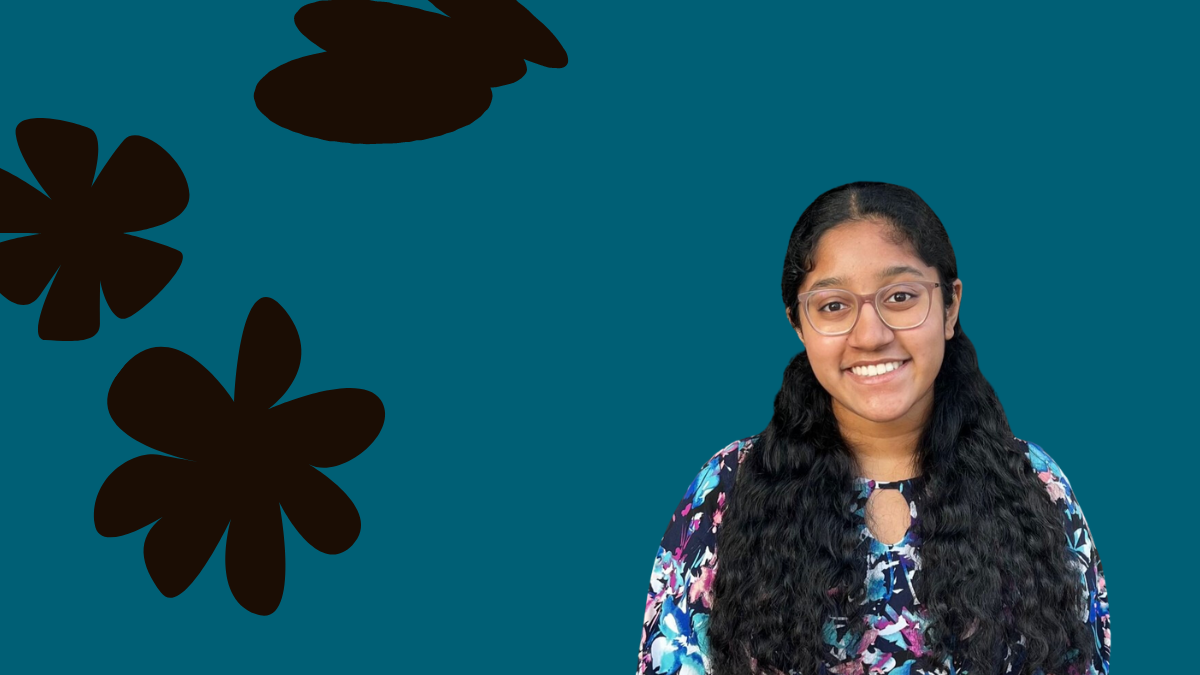
“Youth need to be at that table, sitting with executive leaders, emphasizing that we have a very different perspective and they can't be making decisions for us.”

Without taking the time to reflect and explore, I might have forgotten that memory and missed the connection it holds to one of my deep beliefs about the value of museums (or all encounters with art and artifact, for that matter).

What personal stories do we tell about our connection to the natural world?

“It was such a safe space LPA had created.”

“Five years ago, when at my lowest point, I discovered the true power of storytelling. It not only saved my life but has helped countless others.”
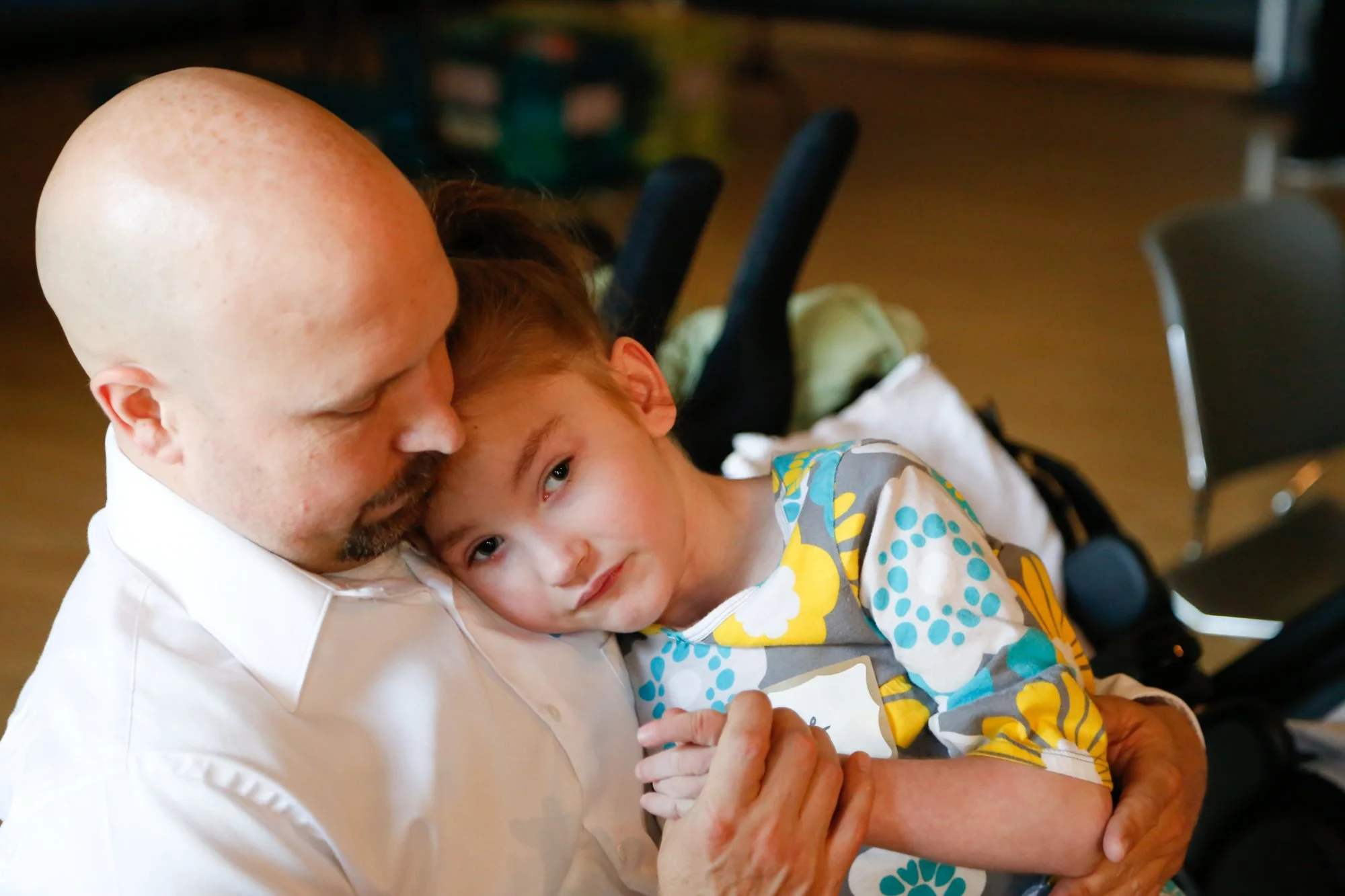
“Those amazing, rewarding and often heartbreaking experiences helped me realize my purpose.”

Compared to the more serious health conditions or life circumstances that many advocates are managing, will my advocacy be viewed as overblown or overwrought?

“I’m speaking out because I care about my community. We can no longer afford to ignore.”

Listening to it nonstop for more than a decade, even in the background of my consciousness, is exhausting. I want the noise to stop.
“The workshops helped us nurture a culture of transparency and trust.”
“I’ve learned how to move audiences from apathy to empathy to action.”
Redefining the meaning of “senior moment.”
Every newborn is different. So is every birth. No one knows this better than midwives and doulas.

The rape-kit backlog is what drove Natasha to speak out back in the 90s—and she’s been telling her story and making a difference ever since.

Need proof of how healthy choices can impact your physical and mental wellbeing? Meet Marc Ramirez.

For whom or what will you advocate in 2020? How will you share your story?

No surprise: stories about advocates and organizations resonated deeply with our readers this year.

World AIDS Day reminds us that HIV has not gone away.

In the US, more than half a million individuals are homeless on a typical night.
When is giving back also an act of self-care?

In 2006, Bill Butler was preparing for surgery to relieve chronic lower-back pain when he accidentally overdosed on methadone, the opioid his doctor had prescribed.

Shame is a powerful silencer. That’s why Mary sharing her story is so important.
I love coincidences—especially those involving people moving in and out of our lives.
This series gives us an opportunity to check in with some of the advocates we talked to over the course of our book’s three editions and 14 years, get an update on their work and see where exactly their paths have taken them.