
When Giving Back is an Act of Self-Care
A few years back, Thrive Global asked readers to “write about a time you gave back to your community, and how it boosted your well-being or changed your perspective on your own life.”
When I read that prompt, the first thing that came to mind was the sentiment I’ve heard expressed literally hundreds of times by individuals who are sharing their personal stories to advocate for a cause they believe in:
“I’m telling my story … but I’m not telling it for me. This is about what my story can do for others.”
I experienced that same feeling when I advocated for Gilda’s Club Twin Cities and shared my own story of losing my sister to cancer. Yet the benefits I reaped were significant.
Here’s the piece I submitted to Thrive Global: “The Sometimes Surprising Benefits of Telling Your Story”
When has giving back served as self-care for you? Email us at selfcare@livingproofadvocacy.com to let us know.

Is in-person or online learning better for learning how to share personal stories from lived experience as an advocate? It depends.

Yep, we're doing it. Everyone’s weighing in on Christopher Nolan's The Odyssey — the box office numbers, the armor discourse, the modern-English dialogue debates. So here are three insights from The Odyssey for advocates sharing their stories from lived experience to make a difference in the modern world.

Why do we recommend new advocates start by designing a three-minute advocacy talk?
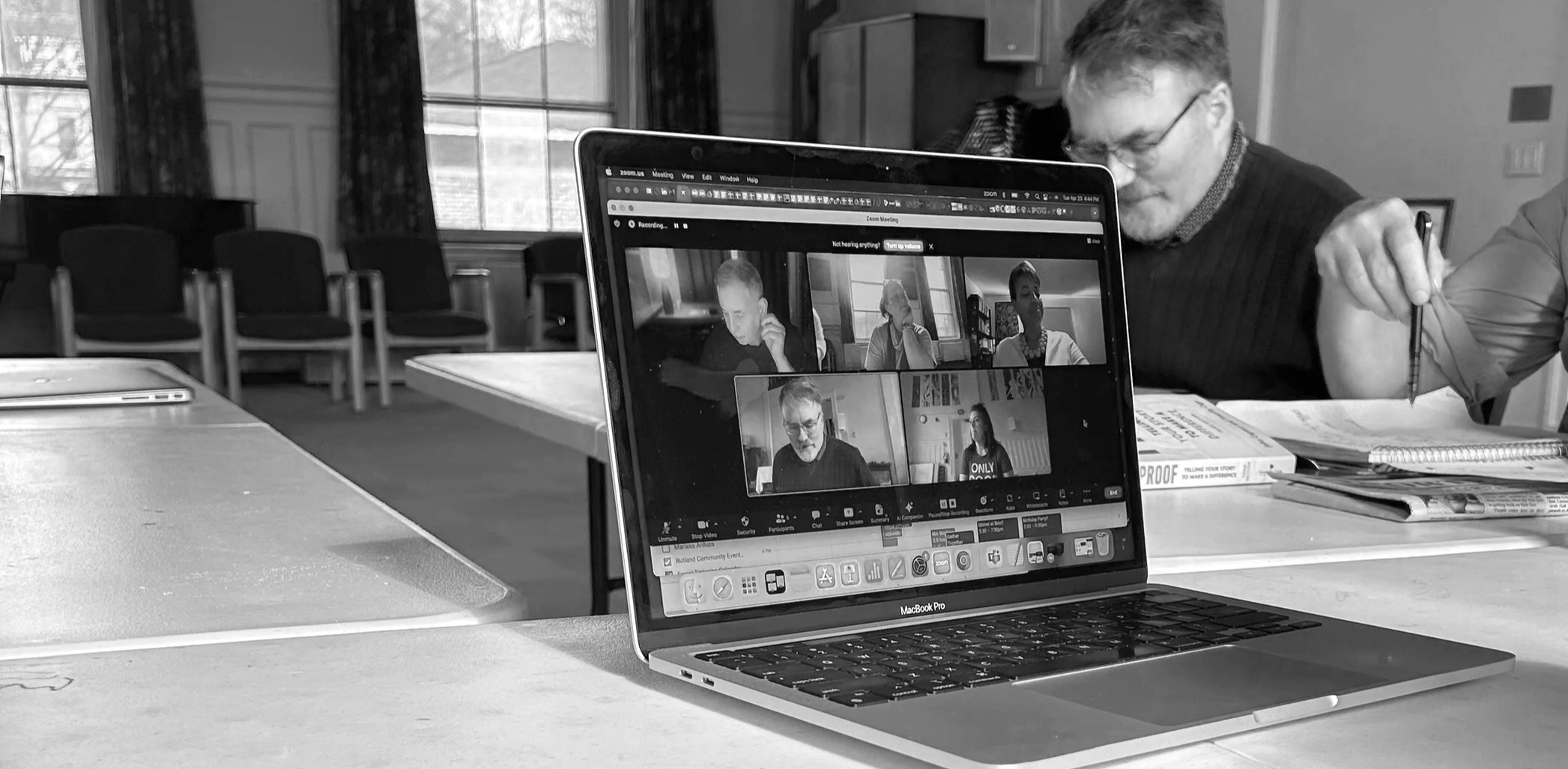
This can’t be done. How do you hold space for someone’s story when there’s a screen between you?

When first-person voices disappear from the record—from textbooks, from archives, from policy conversations, from public memory— something irreplaceable goes with them.
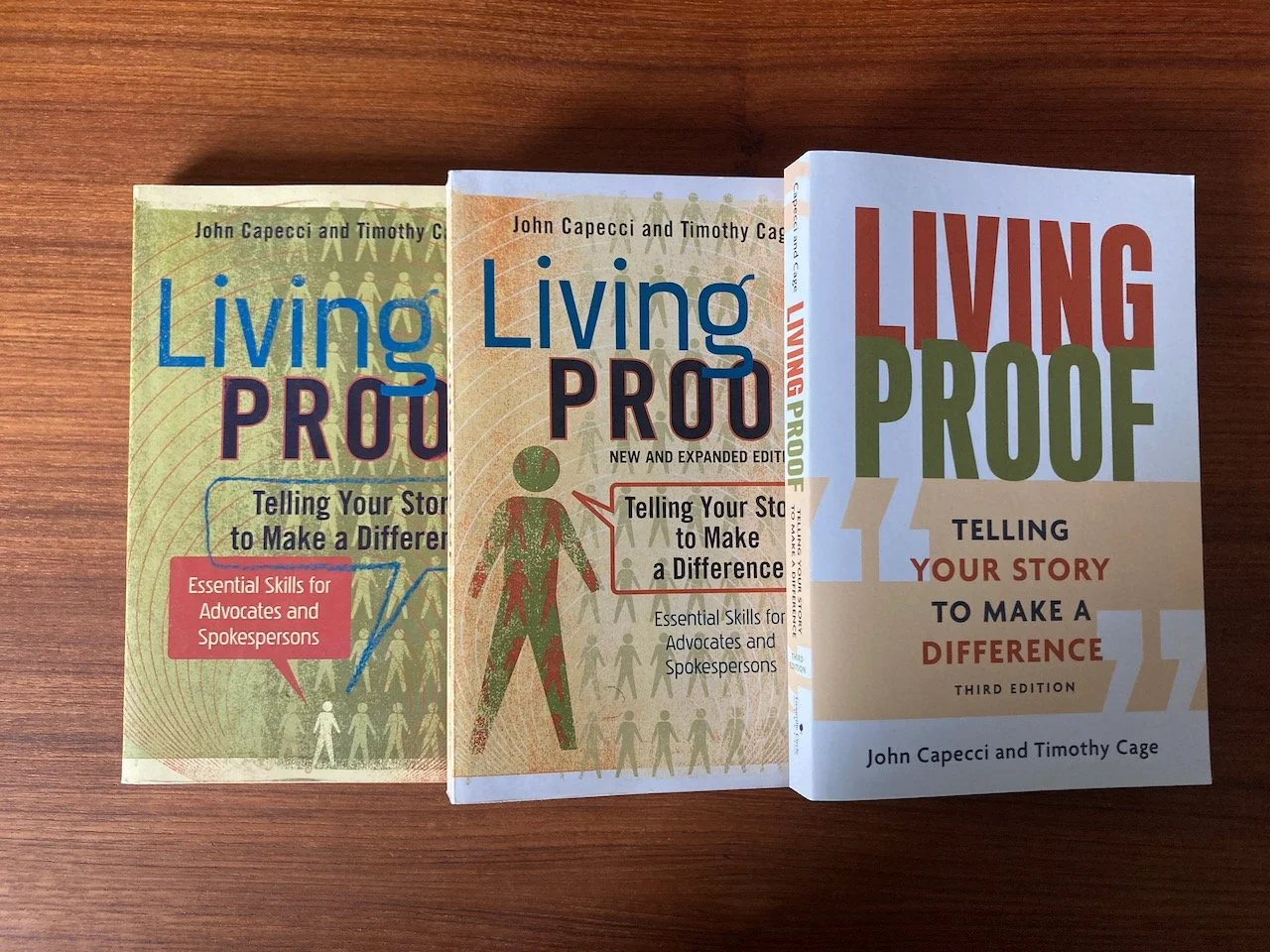
This series gives us an opportunity to check in with some of the advocates we talked to over the course of our book’s three editions and 14 years, get an update on their work and see where exactly their paths have taken them.

Rachel Holmes, Director of Advocacy and Community Engagement for The Food Group, an anti-hunger organization based in St. Paul, Minnesota, became certified in LPA coaching methods to support advocates with lived experience of food insecurity. She recently shared with us how storytelling-for-advocacy fits into her work with The Food Group.
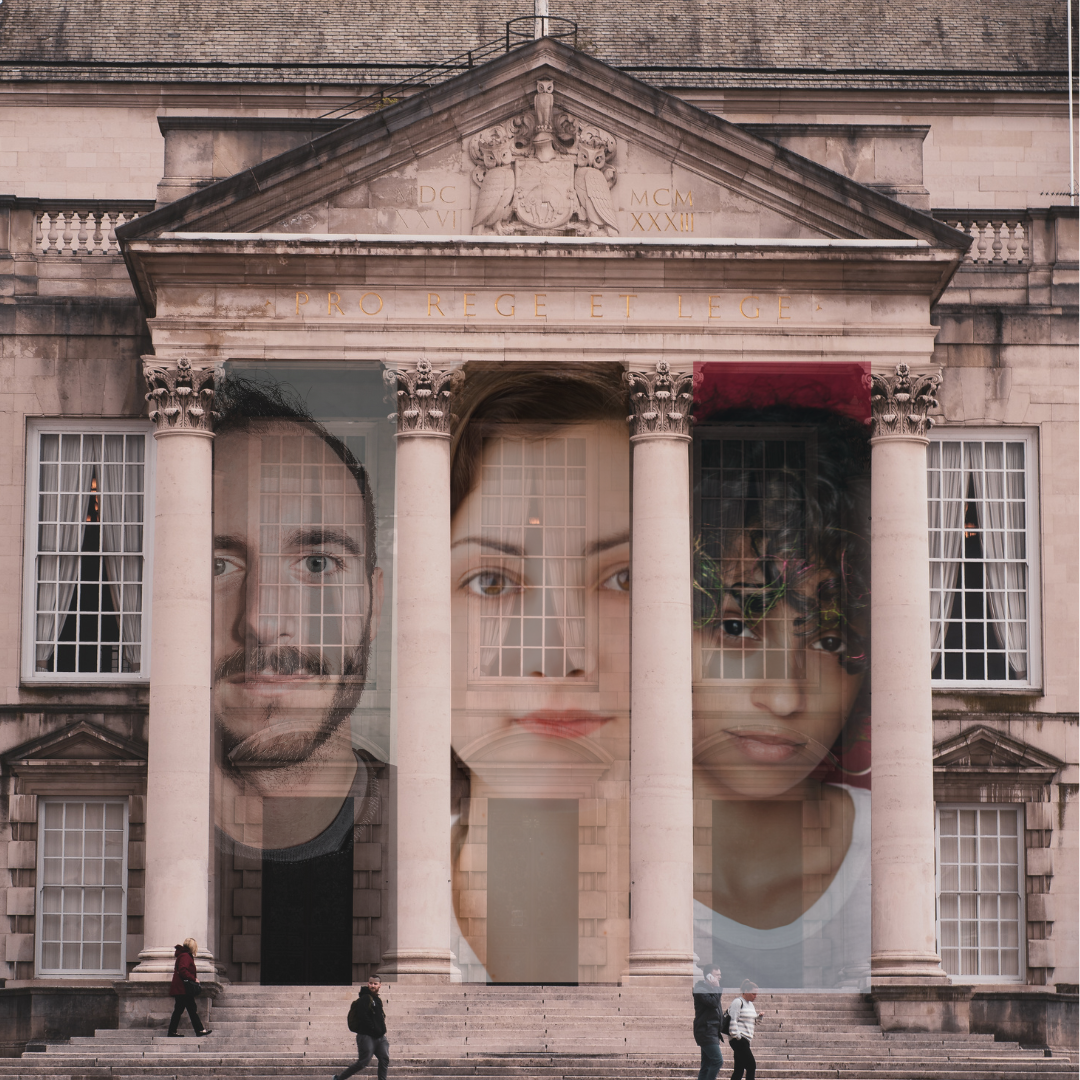
Policies are not fixed; they can be shaped—and reshaped—by the voices and lived experiences of the people they affect.

As Living Proof Advocacy’s 2025 Storytelling for Advocacy Intern, Annie Beth Clark focused on learning more about young advocates and how we, as an organization, can best support their success. Here, she summarizes the learnings from her research project.

In a guest post, advocate Jim Kuhn shares why it is so important for members of the rare disease community to share their lived experiences.
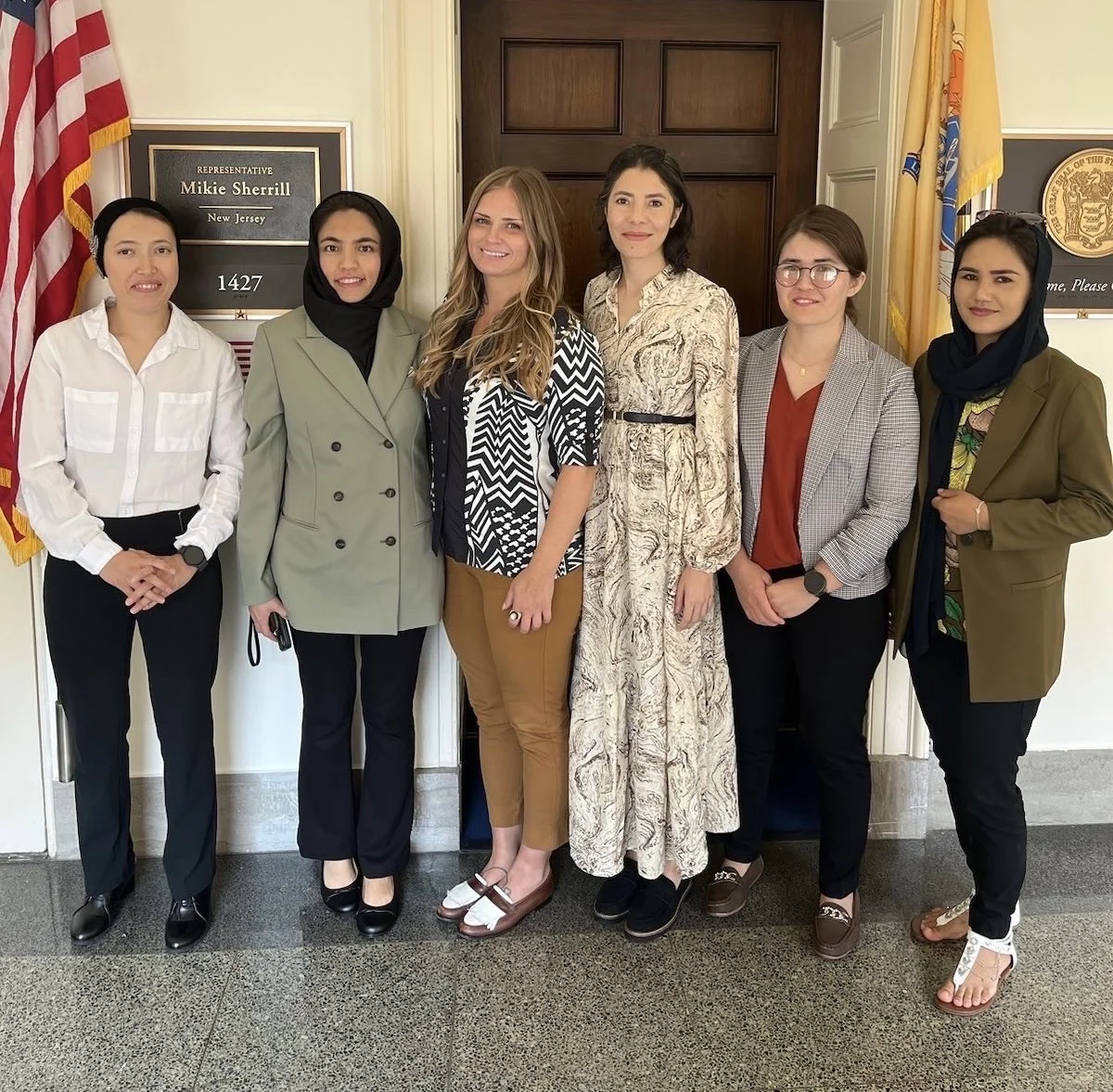
“Legislators often don't understand the context: these women are our military partners. They were recruited, trained, deployed and put in harm's way under our operational direction.”

The organization knew that Barry was valuable to them achieving their advocacy goals, because he had lived experience as a veteran—as well as a passion for the desert that spans more than five decades.

“I’ve found that one of the best ways to encourage people in making healthy choices is to understand the story they are telling themselves about their lives.”

“By shifting my focus from anger to persuasion, I began to see more people engaging with the issue. Conversations became more productive. Skeptics weren’t just pushed away or ignored; they were invited to understand.”


“I chose to accept this internship at LPA because I have a deep passion for youth empowerment, development, and engagement in positive social change. “

“I think that people who go through the program are just more thoughtful about their advocacy. I can see the change in the advocates week to week as they're getting and hearing the feedback.”
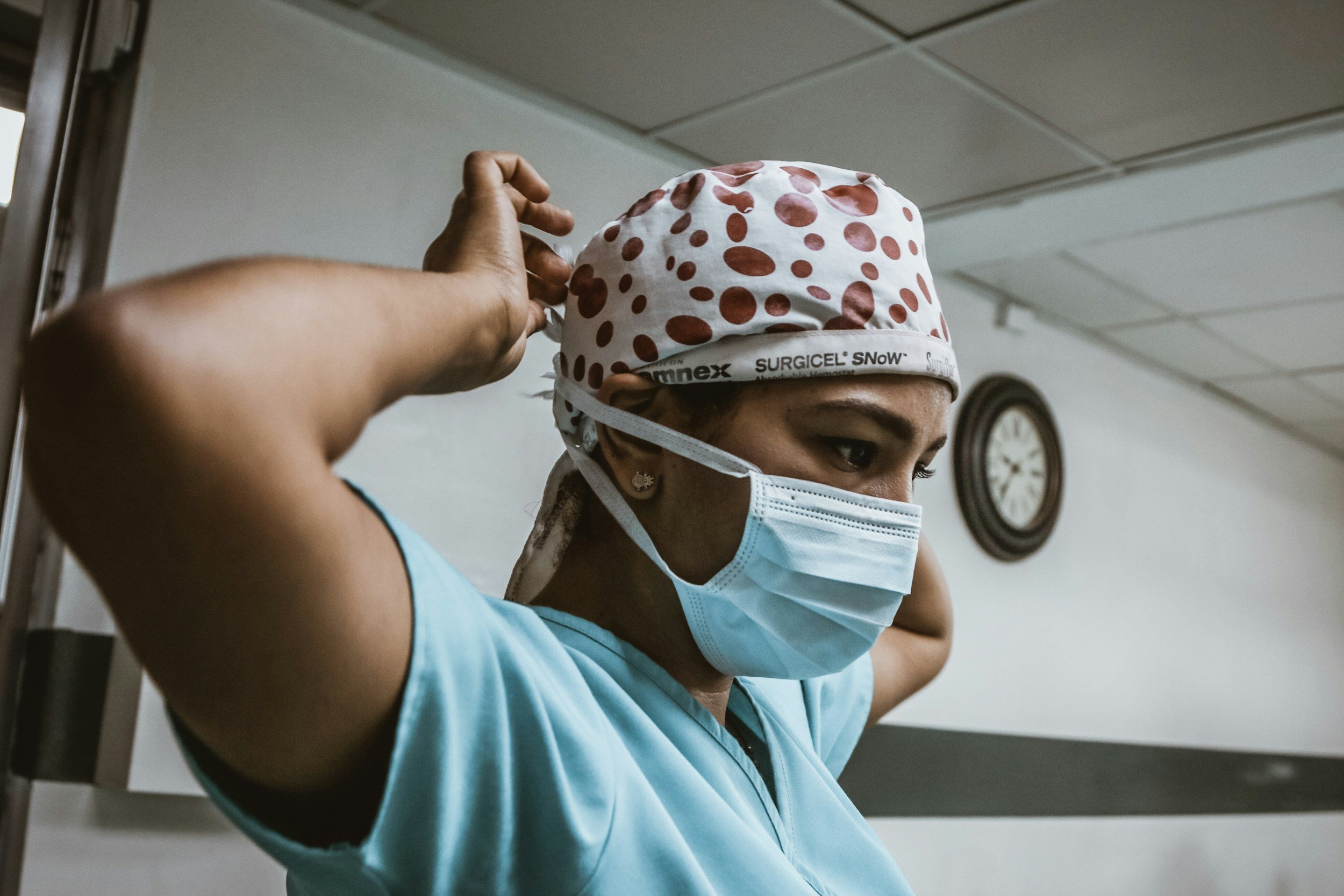
“Advocating for patients is one of our biggest roles–advocating to patients’ families, to their provider or physician, local and state government—and sometimes advocating with the hospital system itself.”


Each year, our pro bono program, LPA-BEYOND, supports organizations working in specific advocacy areas. This year, our focus is on those taking climate action.

For more than 20 years, Matt Wolf has helped young people find and amplify their voices to create the change they want to see in their worlds.

“Using the right story at the right time for the right purpose, rather than getting a patient story and checking a box.”
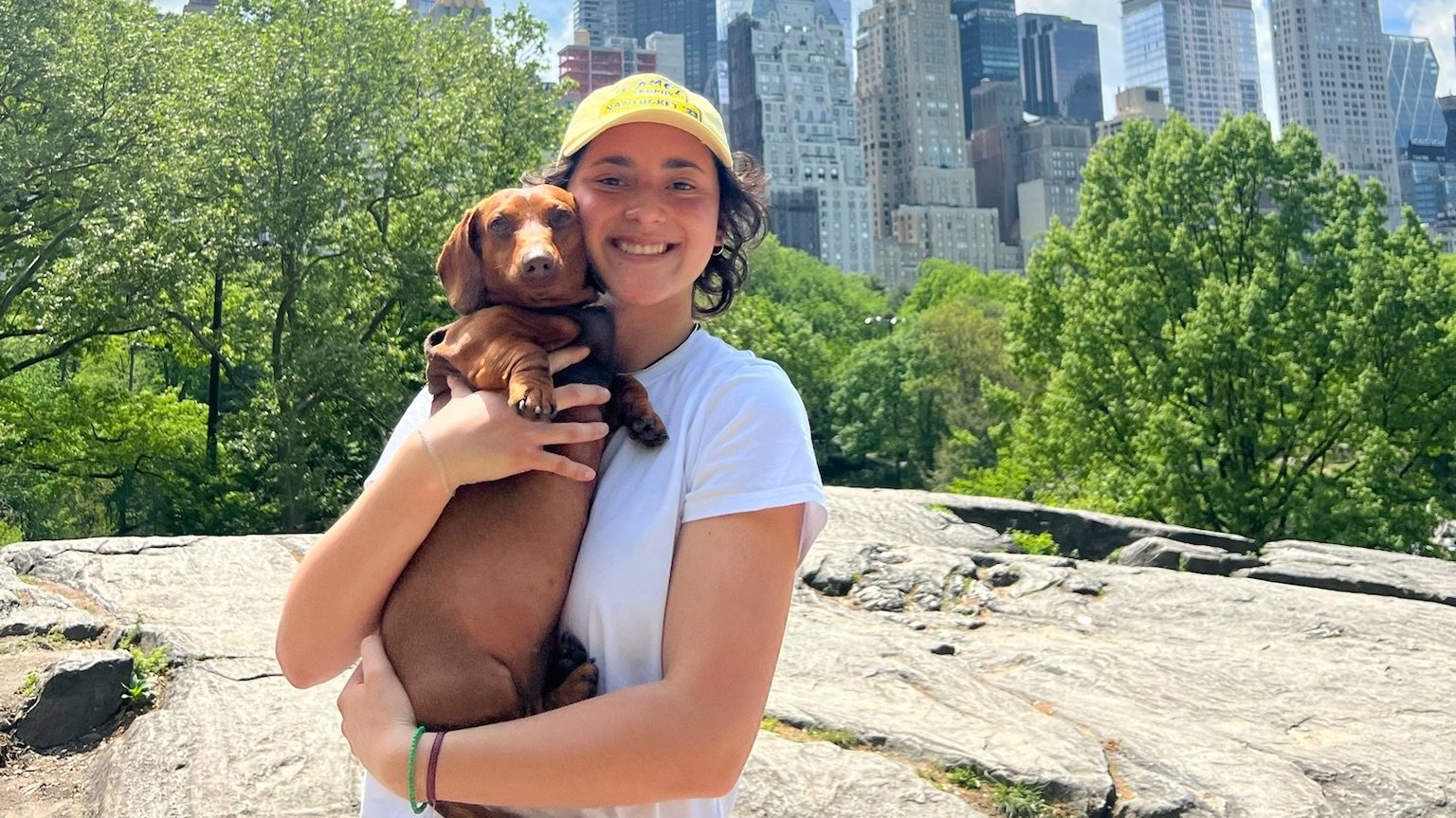
Every time I explain what my internship entailed, it piques people's interest and sparks conversations about important subjects.

“Youth need to be at that table, sitting with executive leaders, emphasizing that we have a very different perspective and they can't be making decisions for us.”
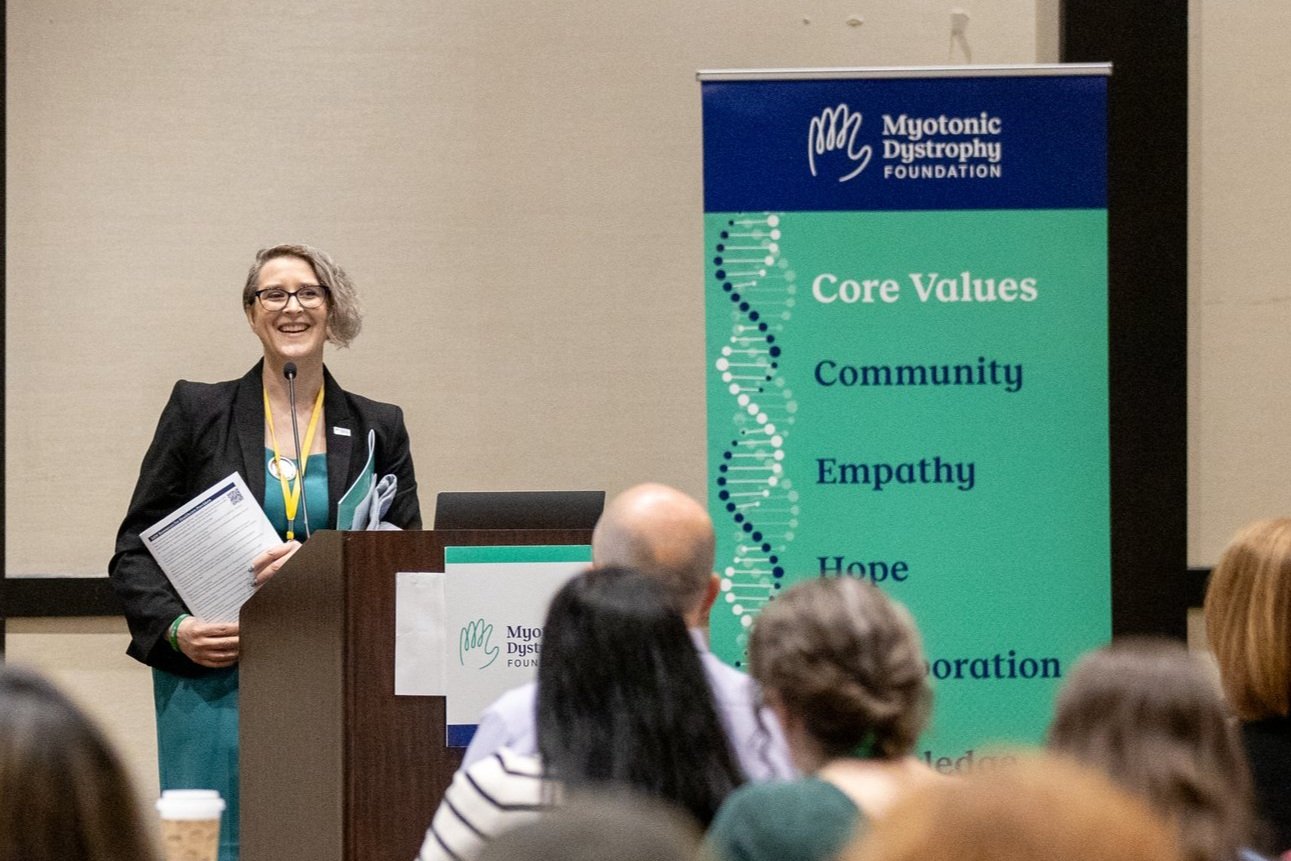
“I've watched it happen for people in real time. Even on Zoom, you can see it. It's that moment where all of a sudden the light goes on—and they see the core of their advocacy come to life.”

“There are two exercises that I really wanted to build on: The Six-Word Reason exercise and The Story Map. The Six Word Reason exerciseis going to be something that I will 100% use in my courses.”
Sharing your personal stories to advocate for change is very different from telling tales around a campfire to scare your friends or to get a laugh.

One way to obstruct a community's future is to deny or erase its past.

Social Tinkering recently engaged Living Proof Advocacy to explore how community members’ stories from lived experience could help advocate for stronger social connections, and we asked their director, Jeanette Langston, about the experience and the organization’s work.

“We don’t want just some typical speaker training and we don’t just a ‘storytelling workshop,’” she told us. We got it.