What We Lost—and Found—Taking Personal Story Work Online
Over the course of more than two decades, we built the Living Proof Advocacy coaching methodology on this fundamental belief: going public with a personal story is a significant act, requiring care, sensitivity and a coaching environment that is safe, secure and supportive.
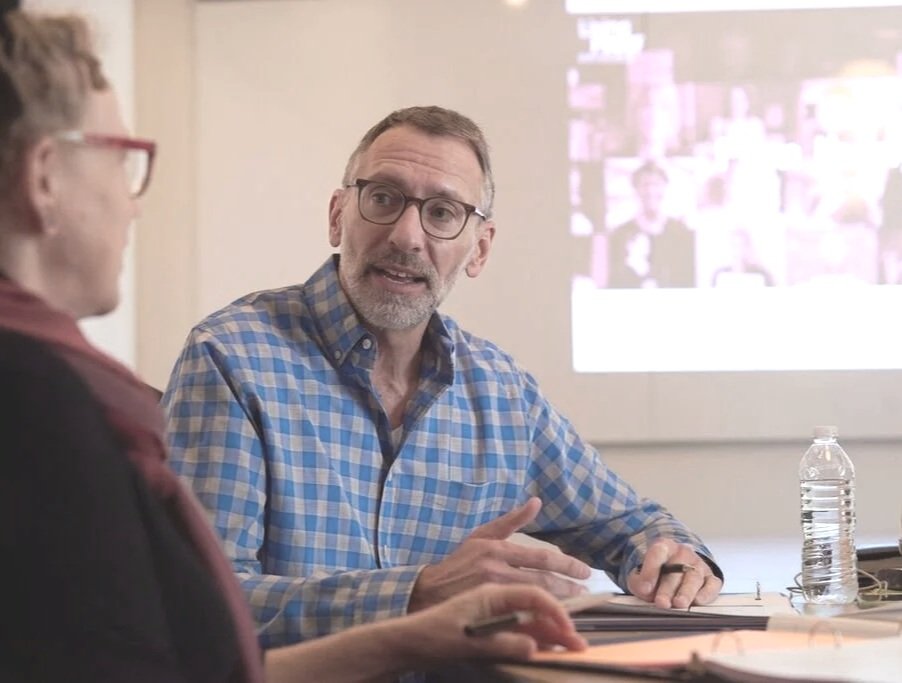
The face-to-face days
For years, that meant we sat face-to-face with advocates—in meeting rooms, classrooms or conference rooms—where we could see the thoughts behind someone’s eyes as they considered entering vulnerable territory, where a trusting relationship was built carefully, in person.
“This can’t be done. How do you hold space for someone’s story when there’s a screen between you?”
So when the pandemic hit in early 2020 and we, like everyone else, navigated the necessity of meeting remotely, our first reaction was: this can’t be done. How do you do deeply personal work through an impersonal medium? How do you hold space for someone’s story when there’s a screen between you?
What we Lost—and Found
Of course, we were wrong—though not entirely. What we lost was real. The one-to-one, “I hear and see you” of being present together is not something video replicates, no matter how skilled the facilitator or how clear the image.
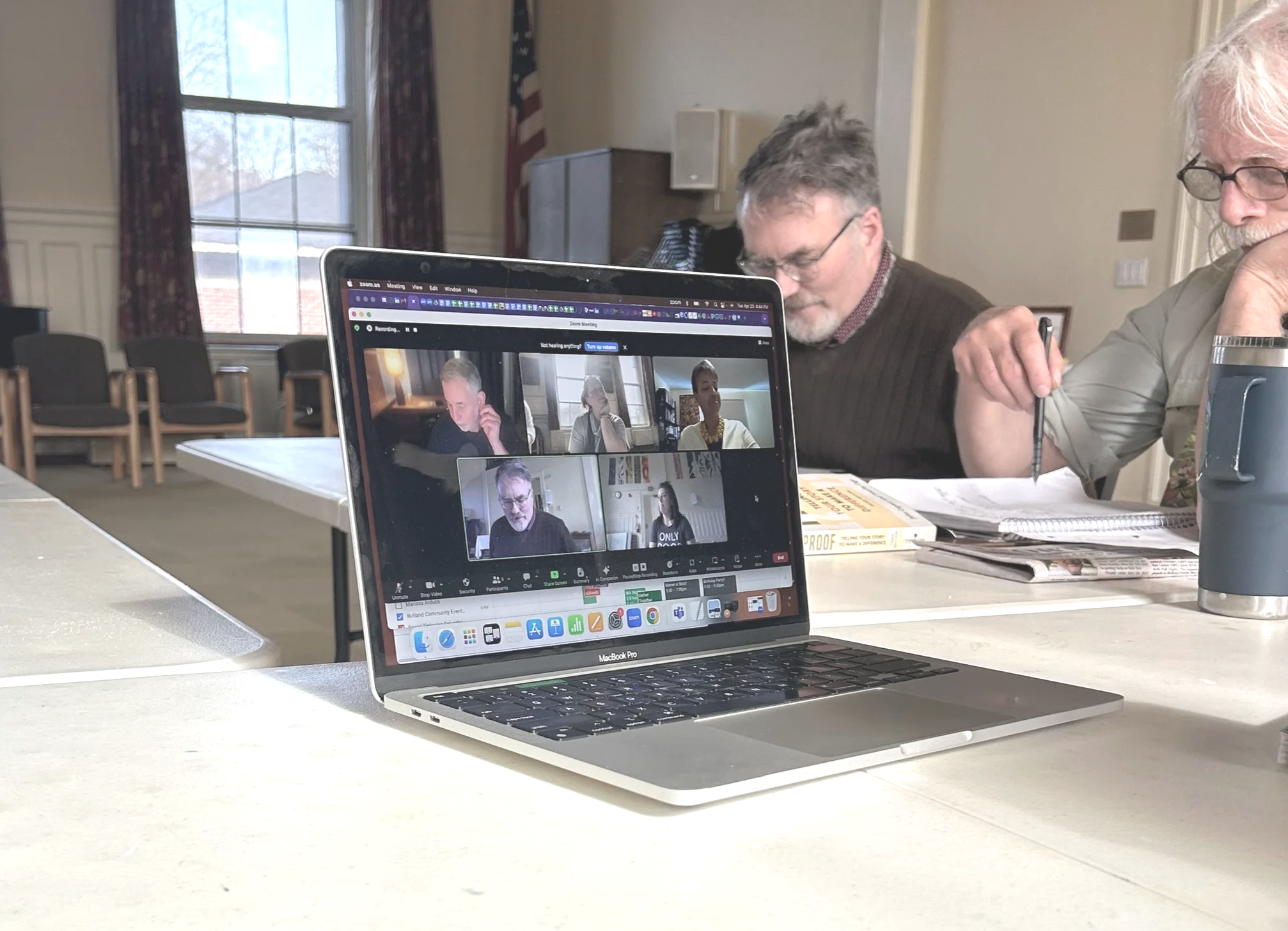
Live from Minnesota to Vermont
But participants in our remote workshops still found them valuable, partly because we brought the real challenges into the process. We named what was hard: “It’s frustrating not being able to see you fully; can you tell me how this is feeling for you?” Naming it didn’t fix it, but it reminded us of what we valued—and missed.
There were also benefits to offering our services remotely: advocates who couldn’t attend due to health, other responsibilities or logistics/location could participate, and time zone flexibility opened the door to international participants. People joining from their own homes sometimes shared more openly than in a training facility or conference room. The ability to record and revisit practice gave participants ways to check their progress and effectiveness. We made it work.
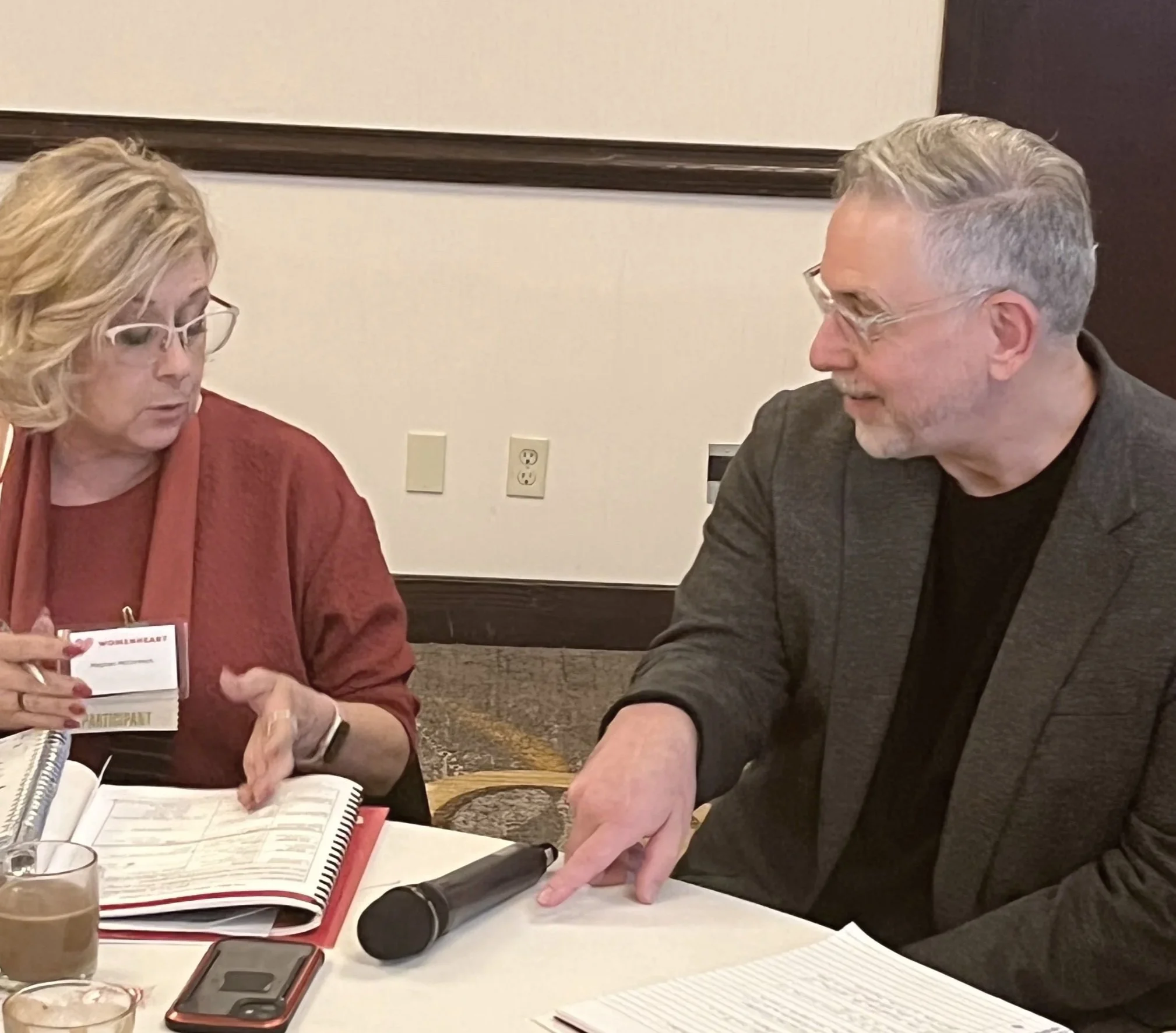
Back in-person (after a virtual session)
The Next Transition: Online Learning
Today, we are so thankful that we again have opportunities to be present, on-site with advocates. Whenever possible, we try to make that happen—though hybrid models that mix in-person with virtual have become not only customary but, in many cases, preferable to all-remote or all-in-person.
When we decided to take the next step in the development of our offerings—building a self-paced online course based on our foundational text, Living Proof: Telling Your Story to Make a Difference—we knew that we again needed to consider how to account for what is lost: the ability to sense when someone is close to something important, when they need encouragement, when they need to pause and reflect.
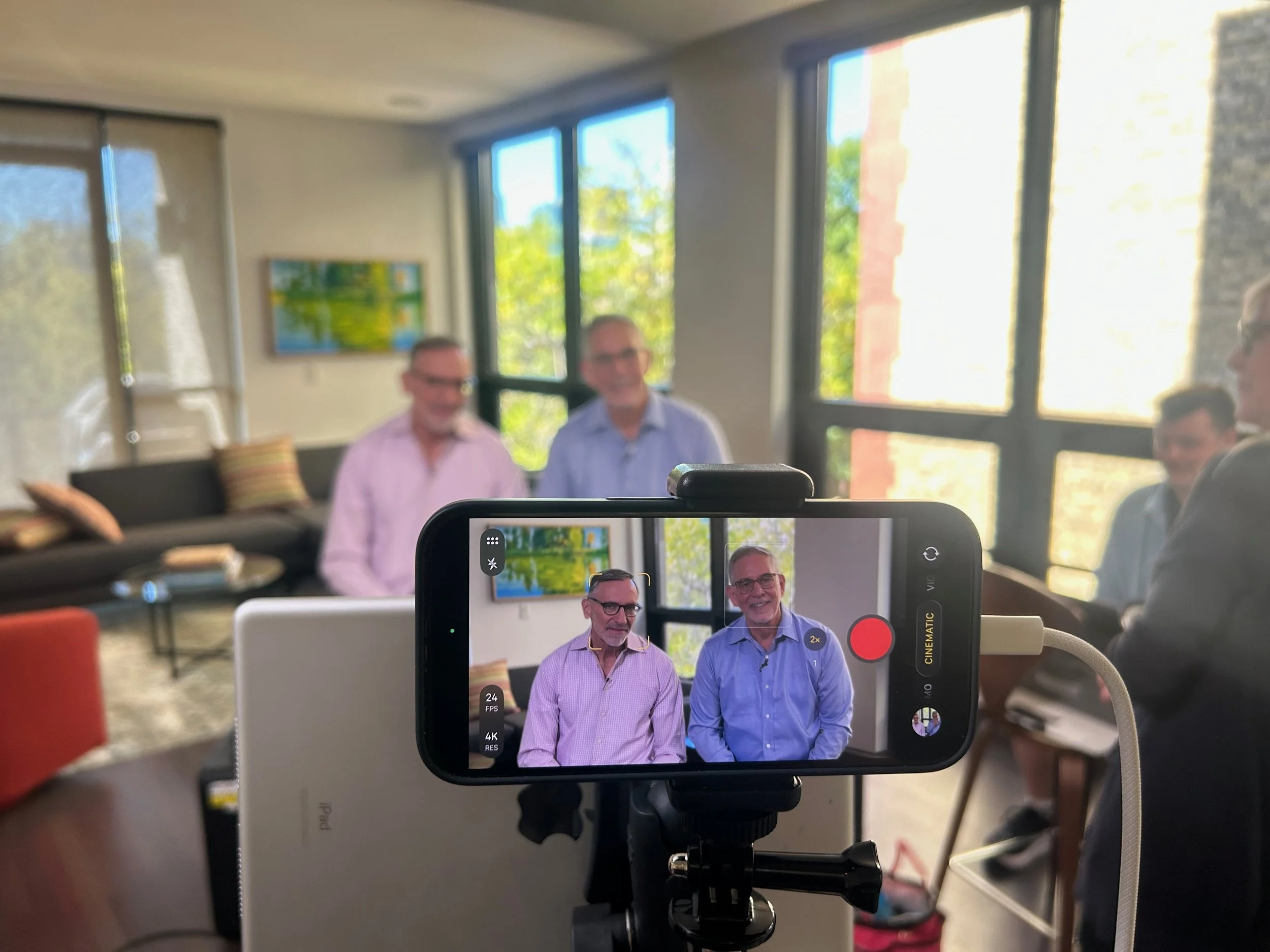
Shoot day
Here’s how we’ve tried to solve this in this new medium:
Giving learners explicit permission to go at their own pace, to pause, to return.
Providing reflection prompts to encourage reflection.
Moderated discussion boards available throughout the course, as well as live scheduled office hours with coaches.
The ability for individual learners to purchase one-on-one remote coaching after completing the course and for organizations to bundle live coaching with the online experience for their cohorts of advocates.
What Surprised Us
In the months leading up to the online course launch (June 15), we conducted a pilot of the course, with nearly 20 participants. What we learned from them was invaluable—and encouraging.
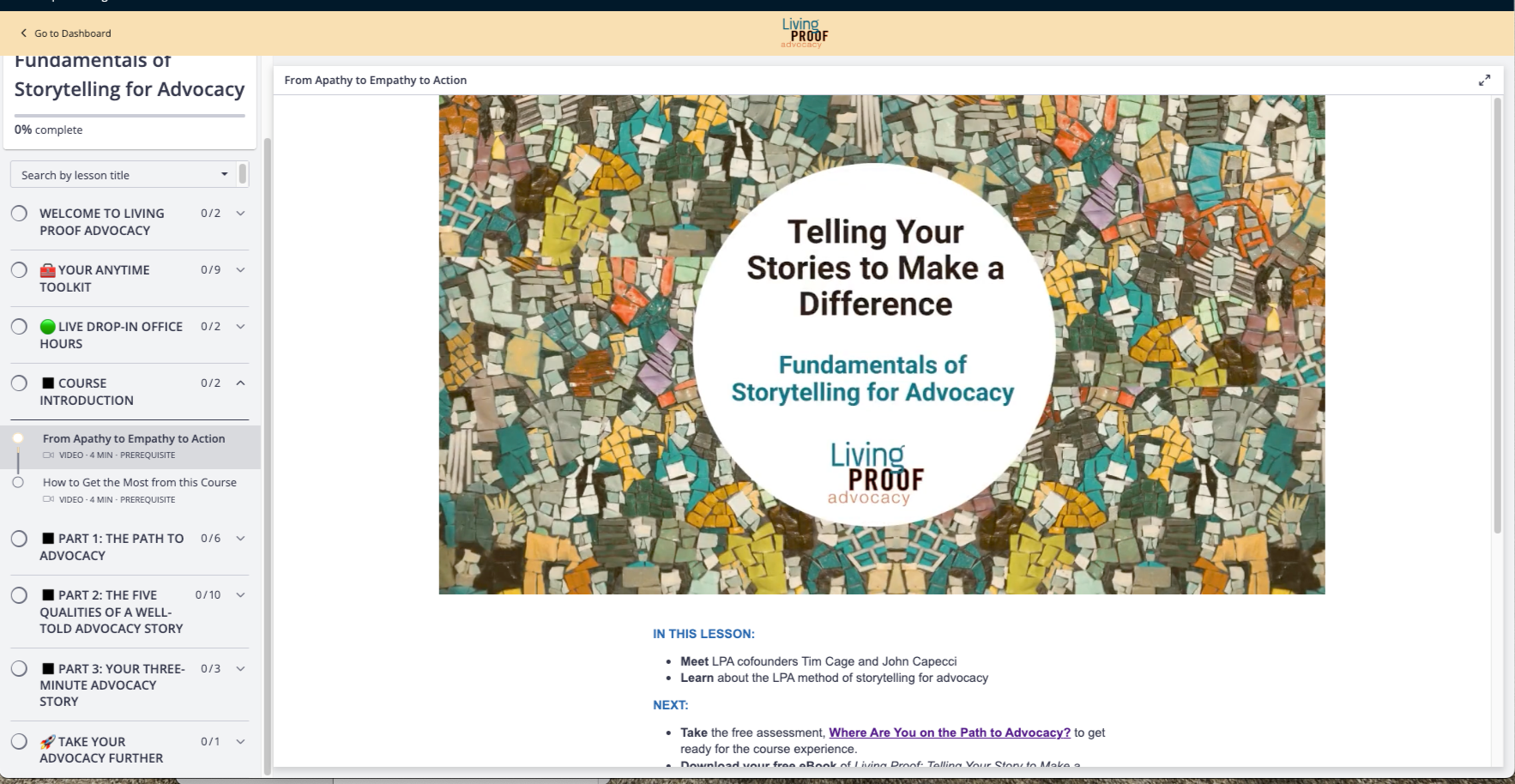
Our new on-demand online course
Based on the feedback we received, we would characterize the benefit of the online course this way: it sits somewhere between us leading a live 90-minute session and someone reading our entire book, cover to cover. The course has the depth of the book, plus the guidance of live support, but learners can move through it on their own terms, revisiting what matters, skipping ahead when they’re ready, pausing when something needs time to settle.
Still, we needed to consider the responsibility of providing a careful and sensitive experience, even if online. During the pilot run, we were fortunate to have one participant who brought deep experience with mental health, specifically around suicide awareness and prevention. She raised a concern that—had we been “in the room” with the participants—would have been front-and-center for us. She noted that for some advocates, the act of revisiting stories—even in a structured, supportive environment—can surface things that need more attention than a worksheet and a discussion board can offer.
She was generous to help us think it through and the result was a new module within the course called “Care, Safety and Support,” a dedicated section with guidance on self-care, resources for support and honest language about what this work can stir up. We also include an eight-question self-assessment called, “Where Are You on the Path to Advocacy?” which asks advocates to think about their readiness to “step over the threshold” between private and public. We also include a reflection guide to accompany that journey across the threshold, which one pilot learner said, “provided me with an opportunity to address vulnerability, readiness and risk in a thoughtful way.”
Will it Work?
Again, these additions don’t solve the problem of not being in the room, but they acknowledge the significant act of sharing personal stories publicly and challenged us to improve the online experience. The course doesn’t pretend to be in-person learning. It has its own strengths and limitations. But we believe that being honest about them is how we build something worth trusting.
If you’re curious what that looks like, visit our Online Learning page to view sample video lessons or schedule a demo of our course, Telling Your Stories to Make a Difference: Fundamentals of Storytelling for Advocacy.
What have you learned moving from live to virtual to hybrid to asynchronous…and back again?