
How to Amplify, Preserve and Advocate for Stories Under Threat of Erasure
To be proud is to claim identity.
This month, that claim is specific: that LGBTQIA+ lives, histories, identities and stories deserve to be told—in the words of the people who have lived them.
At Living Proof Advocacy, we've spent decades working with people across many communities who have chosen to go public with their personal stories to make a difference. We know what fortitude that takes. We know the power it can wield. And we know what is lost when those stories are erased, suppressed or told by someone else.
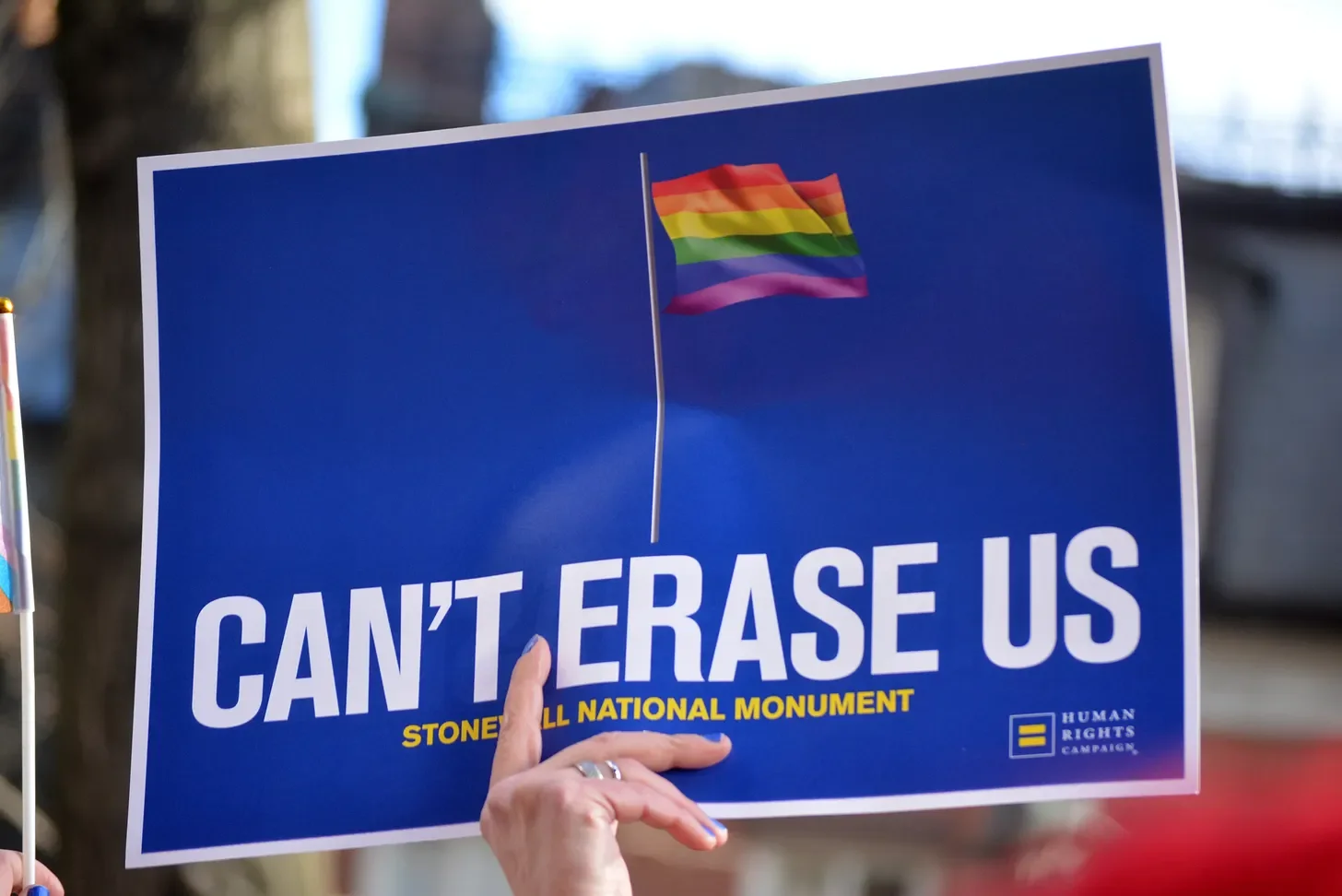
When first-person voices disappear from the record—from textbooks, from archives, from policy conversations, from public memory— something irreplaceable goes with them. Identity. Agency. The proof that these lives were real and that they mattered.
This June, we're amplifying the voices and the organizations that refuse to let that happen. Because stories are personal, political and powerful.
The Erasure of History Is the Erasure of Rights
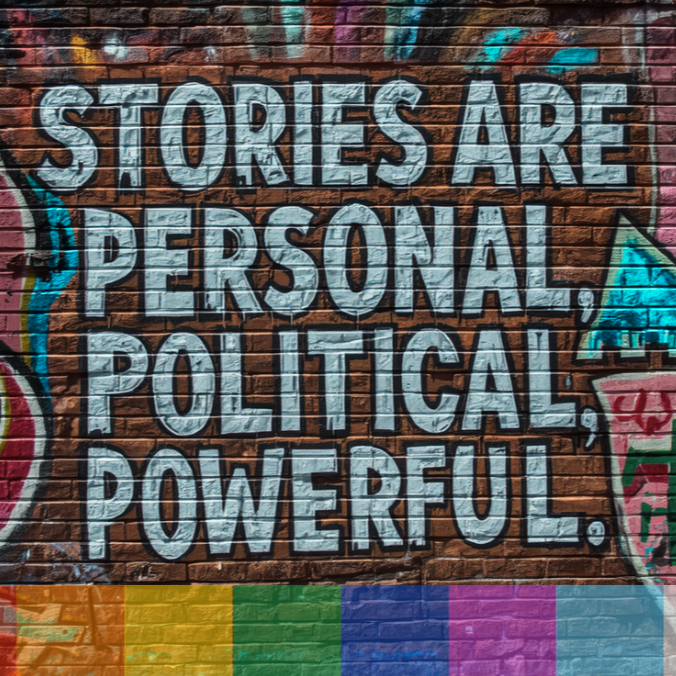
There's a reason people in power erase history before they erase rights. Because by destroying records, they hack at the roots of resistance: lived experience. When communities lose their stories—when the evidence of who they were, what they built, what they survived and what they fought for is removed from the record—they lose one of their most powerful tools for claiming what they deserve.
This is not abstract. Right now, LGBTQIA+ histories are being removed from institutions, scrubbed from websites and restricted from the archives that were supposed to safeguard them. Transgender people are being removed from descriptions of the Stonewall Uprising. Curriculum restrictions across dozens of states have made LGBTQIA+ lives and histories invisible in K-12 classrooms. Equity rollbacks at universities have put archival materials and the staff who maintain them at risk.
This is why the work of preservation is, itself, a form of advocacy.
Organizations Doing the Work of Preservation
Two organizations deserve particular recognition this Pride Month for the archival work they are doing in the face of this erasure.

Invisible Histories Project collects, preserves, and teaches LGBTQ+ history across the Deep South—13 states where those stories have been most aggressively suppressed. Founded in 2016, the organization has built remarkable collections across Alabama, Georgia, Florida, Mississippi, North Carolina, South Carolina and beyond through its Queer History South network.
Earlier this year, in direct response to growing anti-LGBTQ+ and anti-DEI policies, Invisible Histories made a decision that speaks for itself: they stopped placing archival materials in universities and institutions that could restrict access, and committed to opening their own permanent archive in Charlotte, North Carolina in 2026. They are also setting up their own servers to store materials outside of cloud storage—ensuring that the record cannot be deleted by a policy change, a budget cut or a hostile administrator.
““By establishing a permanent archive in Charlotte, we are creating a lasting space where our communities can see themselves reflected in history. We won’t be silenced. We won’t be erased.””
StoryCorps OutLoud has been doing parallel work at national scale, recording LGBTQIA+ oral histories and archiving them at the Library of Congress. These are voices of real people, in their own words, preserved as part of the permanent record of American life. When future generations want to know what it was like to be LGBTQIA+ in this moment —they will find it there.
Preserving a first-person story is an act of power. And the communities who control their own narratives are the communities that cannot be erased.
We stand with the people doing this work.
Voices Rising: LGBTQIA+ Advocates in Action
Preserving history is one form of resistance. Using your voice to change what happens next is another.
Across the country, LGBTQIA+ people are not just surviving—they are advocating for themselves and others. Showing up in school boards, statehouses, community meetings and courtrooms with their stories, their presence and their demand to be seen. They are using lived experience as the powerful tool it is: not just to bear witness, but to move people to action.
Glisten—formerly GLSEN, recently rebranded as a declaration of renewed commitment—is doing this work with young people and educators across K-12 schools nationwide. At a moment when LGBTQIA+ students are being told their identities don't belong in classrooms, Glisten is equipping them to speak for themselves: to show up in policy conversations, to engage media, to tell their stories in ways that are both powerful and safe.
Because advocacy from lived experience is one of the most powerful forces for change there is—and because the people with the most at stake deserve the training and the tools to do it well.
Our Commitment: Beyond June
Pride Month ends. The work doesn't.
Over the course of this month, we’re lifting up organizations preserving LGBTQIA+ histories, amplifying LGBTQIA+ voices and fighting—every day, not just in June—for the right of these communities to be seen, heard and counted. We've doing this because, as practitioners who have been working more than 25 years with advocates across causes and communities, we know what it takes to tell a story well and what it costs when stories are taken away.
We are committed to supporting LGBTQIA+ advocates, organizations and communities in telling their stories with skill, safety and full ownership of their own narratives.
If you're doing this work and you need a partner, we want to hear from you.