the 2026 focus of our pro bono program is ON organizations working within or alongside disability communities to amplify the voices of people with disabilities in pursuit of policy change, greater visibility or social equity. READ WHY HERE.
LPA-BEYOND: BECAUSE THE WORK DOESN’T STOP
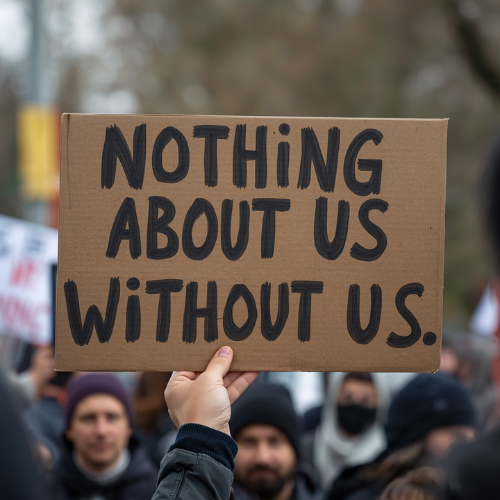
Awareness days, weeks and months are valuable for spotlighting important issues, but real change demands year-round—and often nonstop—effort.
That’s why we created LPA-BEYOND, our pro bono program, to provide deeper support to organizations beyond one-time events.
Each year, LPA staff, along with LPA-certified coaches, volunteer their time and resources to organizations tackling critical issues. These include the arts, community, health and safety, environmentalism, equity, peace, justice and antiracism—causes we’re committed to as a public benefit corporation. Each year we ask the same question: where is there an urgent need for amplified first-person advocacy right now?
In 2026 our focus is ON organizations working within or alongside disability communities. READ WHY HERE.
This year, in a random drawing from submitted/nominated organizations, we will award free access to our online course, Telling Your Stories to Make a Difference: Fundamentals of Storytelling for Advocacy, to two organizations working within or alongside disability communities. Each selected organization will receive two to three course seats for community members or staff who are preparing to advocate publicly with stories from their lived experience.
APPLICATION NOW OPEN (BELOW) UNTIL JULY 1
Organizations of any size may apply or be nominated.
Keep in mind that organizations must, in some way, be working to amplify voices of lived experience in order to reach their goals or achieve their missions. Selection is by lottery, though with an eye toward geographic diversity.
“Living Proof Advocacy did a wonderful workshop for members of our community. An excellent presentation, very engaging and succinct. With these new skills we will be able to prepare our advocates better and make sure that we are actually conveying the messages we want. Thank you!”
why disability rights? read here.